Post 4 of 17
Day 9: South Charleston to Charlottesville, VA - 327 Miles

The day dawns cloudy and rainy. I haven't washed the car since Lincoln, Nebraska - 5 days and 1,617 miles ago. It looks like it will be awhile. Today's not that day. Tomorrow doesn't look good either.
No matter. There is a lot to do today. We cross the Kanawha River and drop into Charleston, WV - the capital of West Virginia. We check our their cool downtown and head over to the capitol. It's early, but we don't have time to wait for it to open. The grounds have a nice Veterans Memorial and we make our way over to the capitol building. It was completed in 1932. Very classic, with the dome rising 292'.
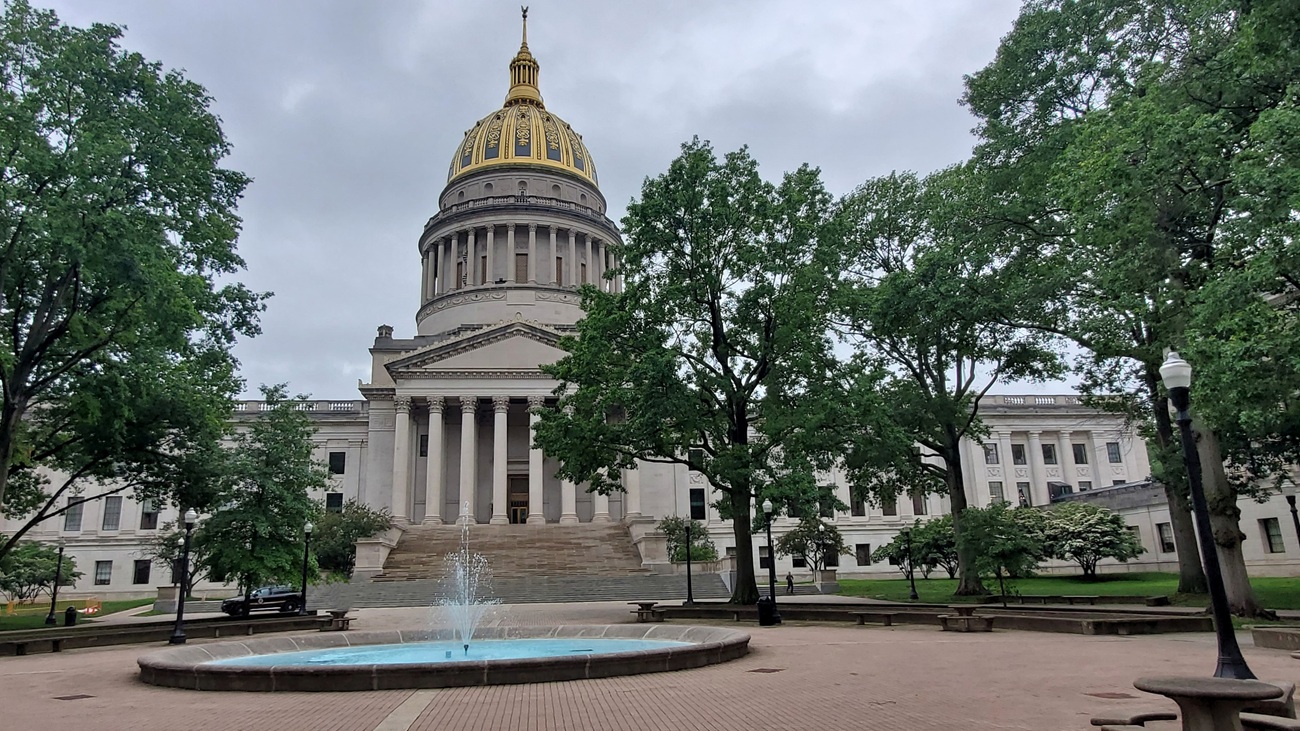
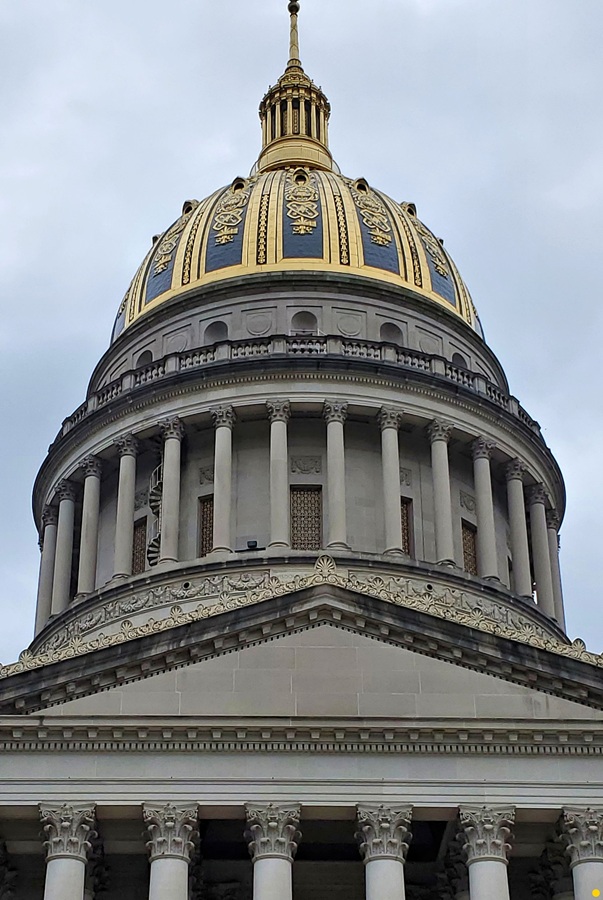
We find our way back to I-64 and get off at Cabin Creek, a few miles up the road. Jerry West, of NBA Los Angeles Lakers fame, was born and raised here. This is coal mining country - and he ends up as one of the greatest stars in the history NBA - player, coach and executive. As the general manager of the Lakers, he puts the Showtime Lakers together. He ended up with 9 NBA championships - 6 with the Lakers and 2 with the Golden State Warriors and one as a player in 1972. There's really not much in Cabin Creek - but it was on the way today.
We cross the Kanawha River again and find Hwy 60, a 2-lane track that will take us through the mountains of West Virginia. It's very hilly, with a solid tree canopy. And very Green.
Kanawha Falls
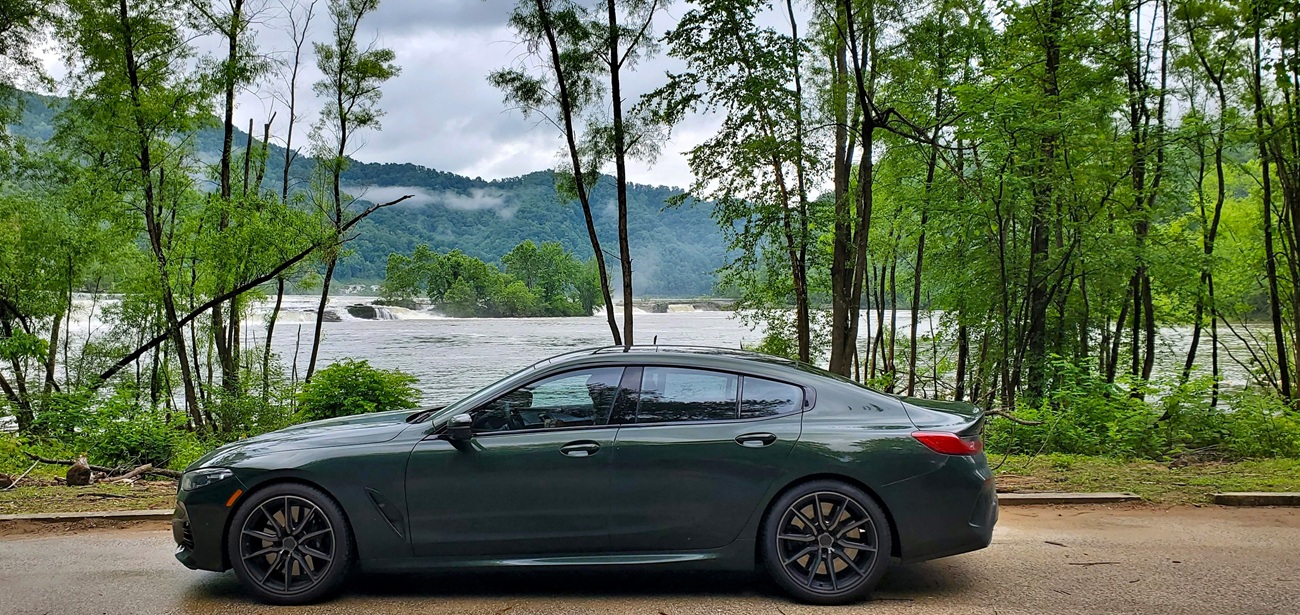
A lot of coal mining was done through here and we pass by several old and scary looking complexes and several tired out towns. Nothing is new - anywhere. Or, even this century.
Glen Ferris, WV
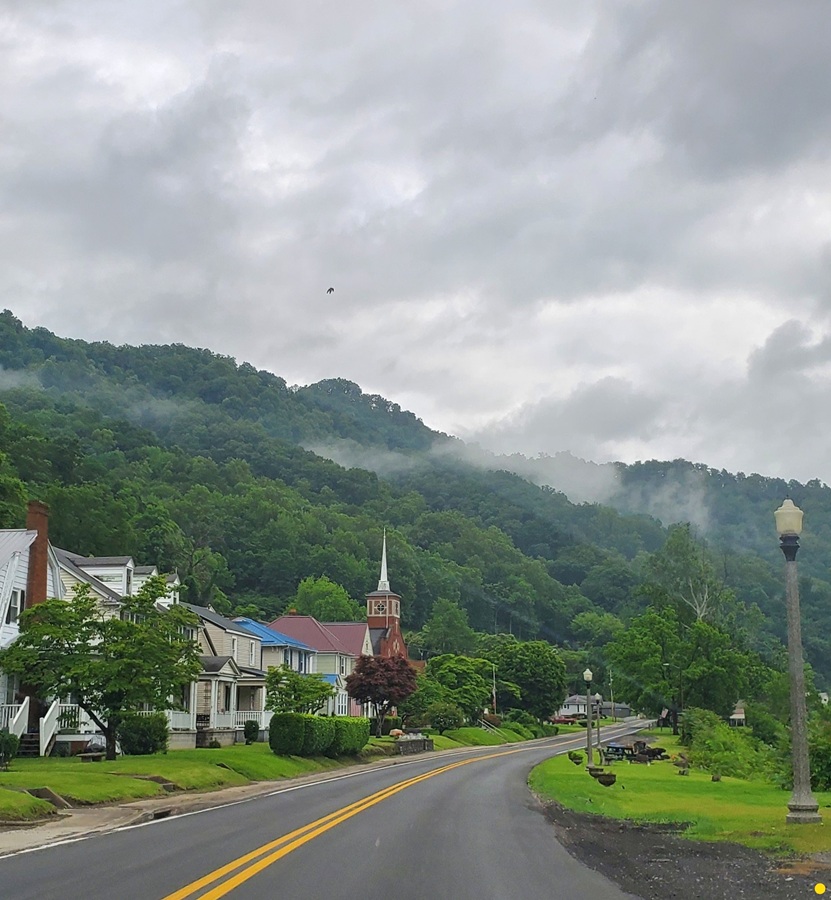
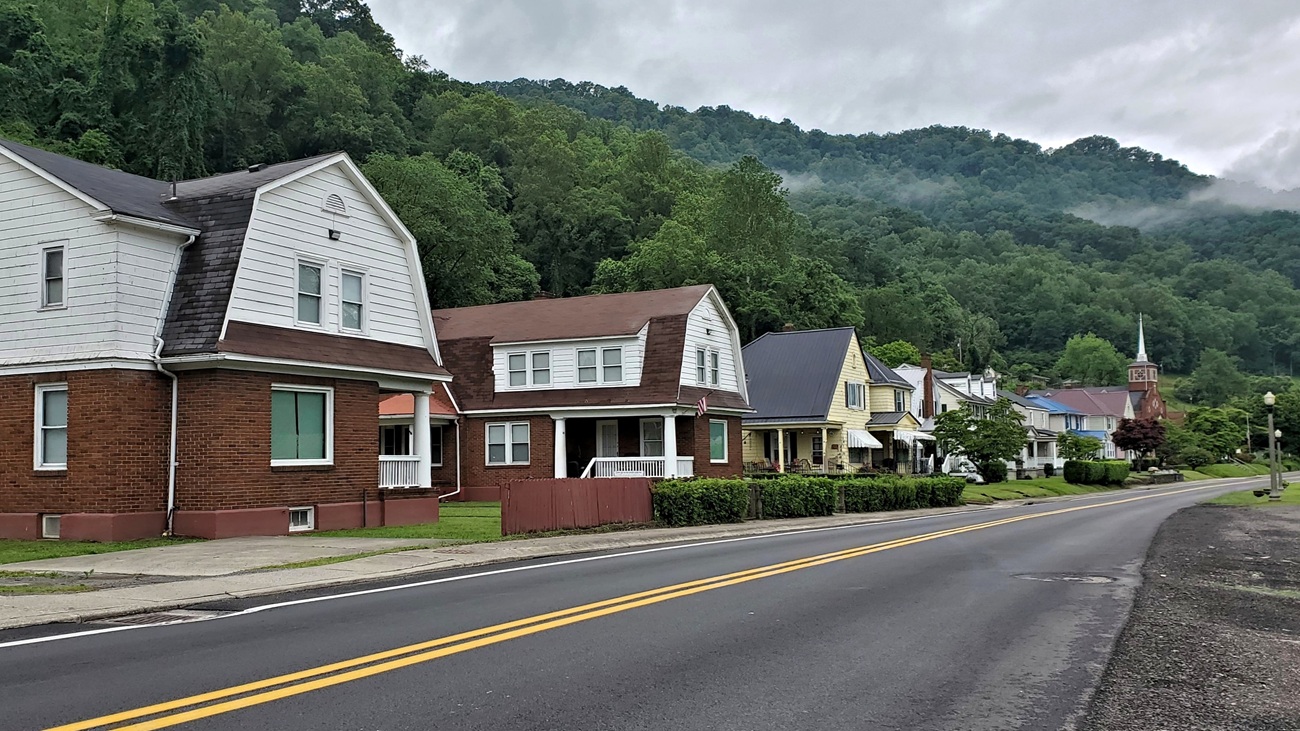
The first real target for the day is the New River Gorge National Park & Preserve. The New River Gorge National River was established in 1978 in order to protect it's pristine wilderness. A portion of it became the National Park in 2020. The area offers steep canyons, white water rafting, rock climbing and miles of hiking trails.
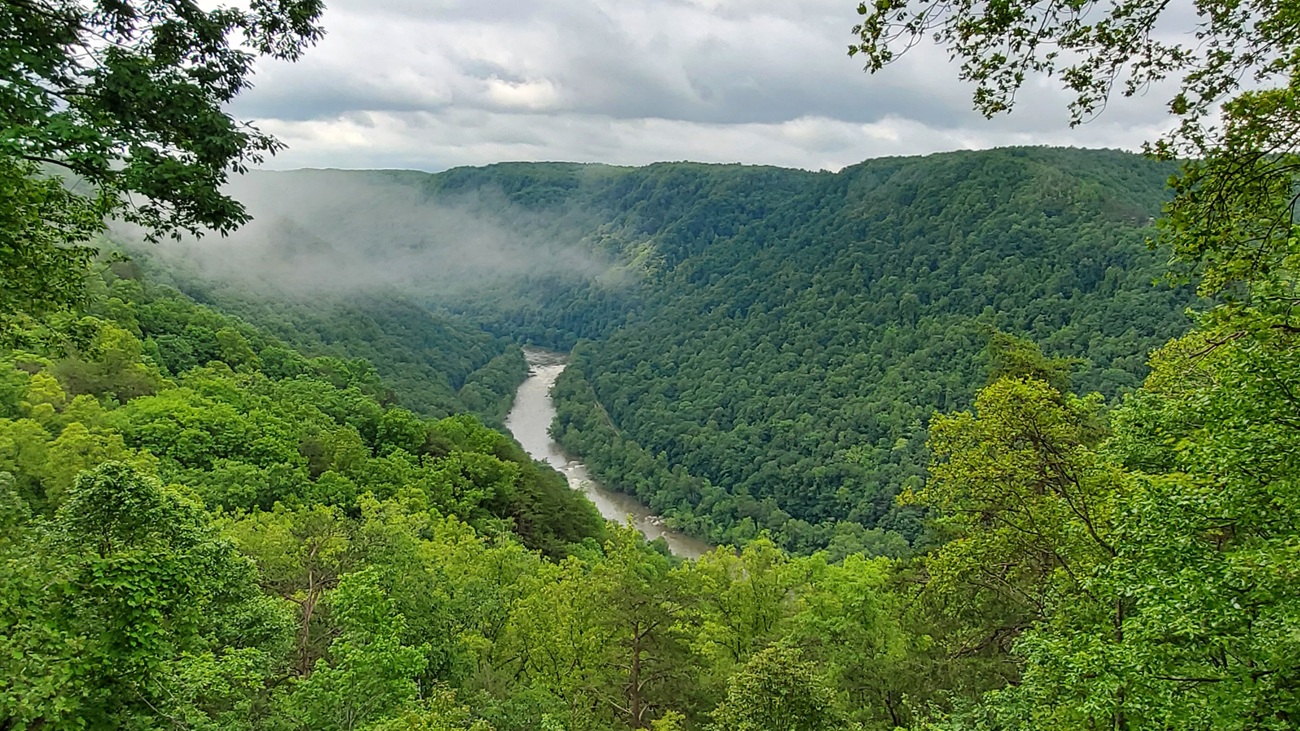
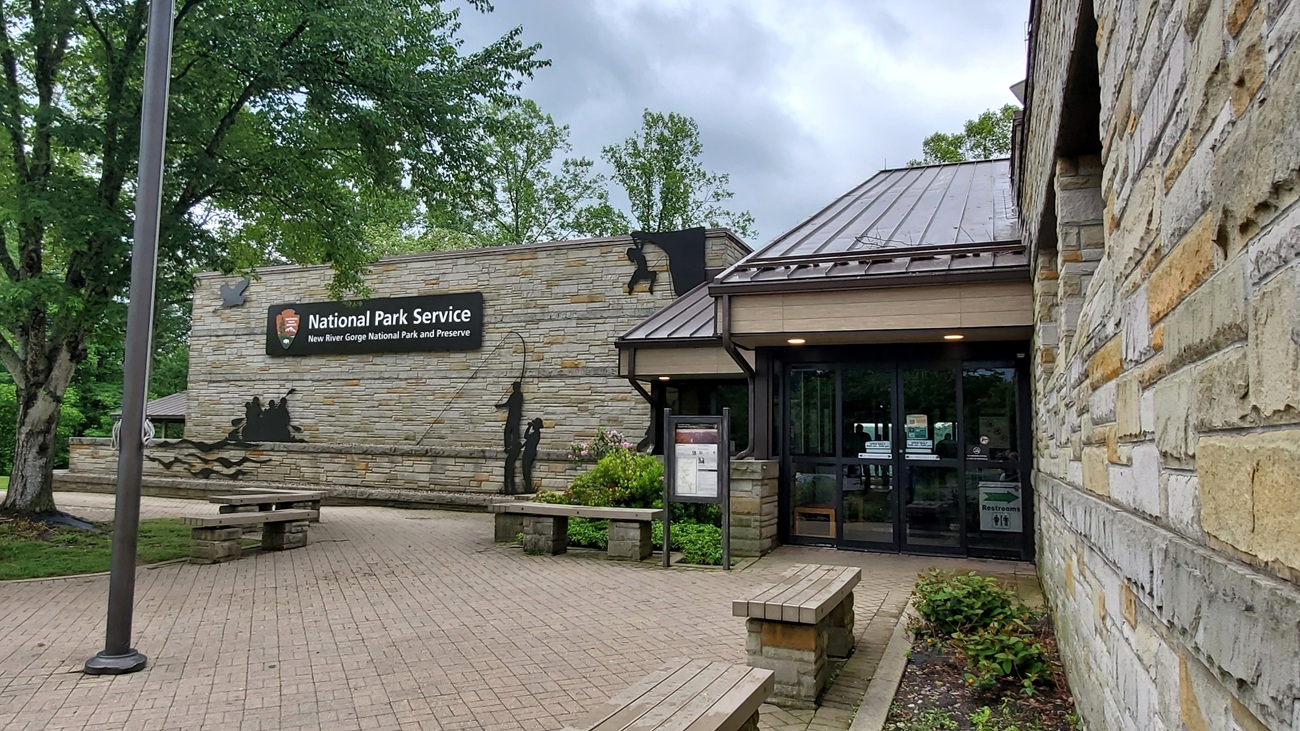 The New River Gorge
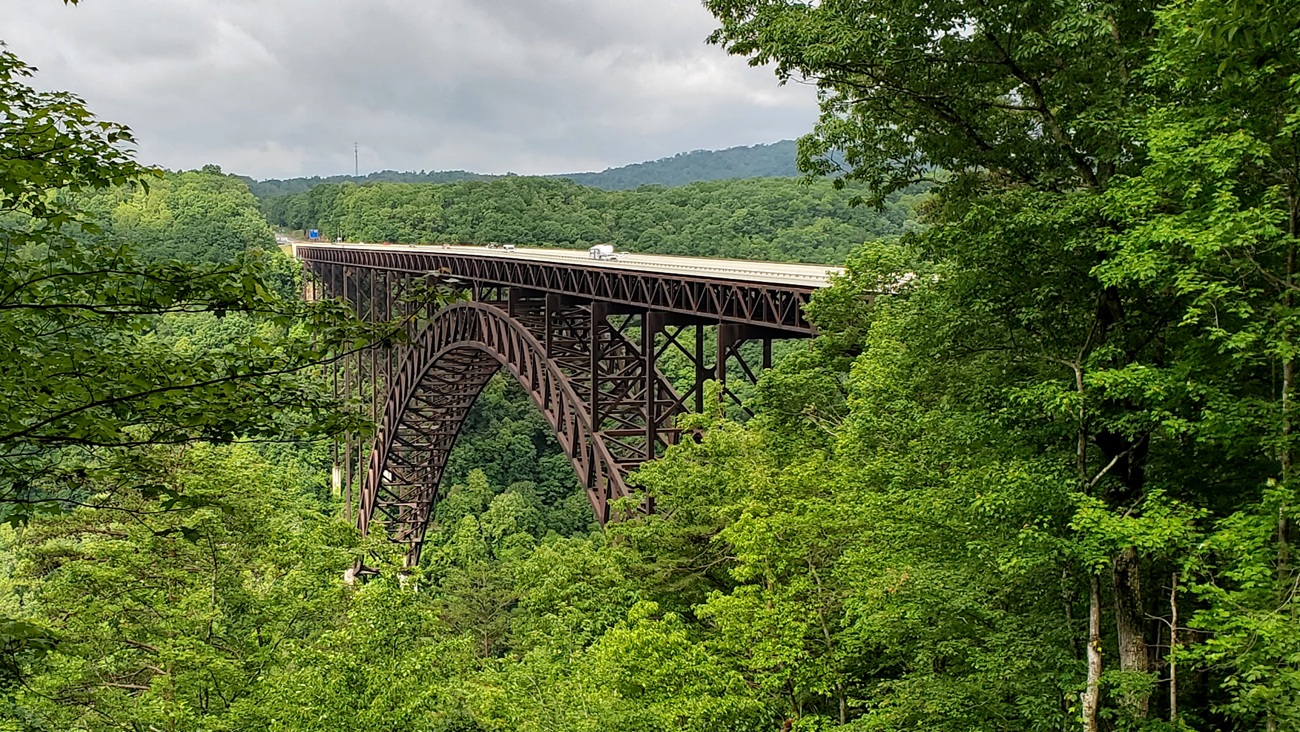
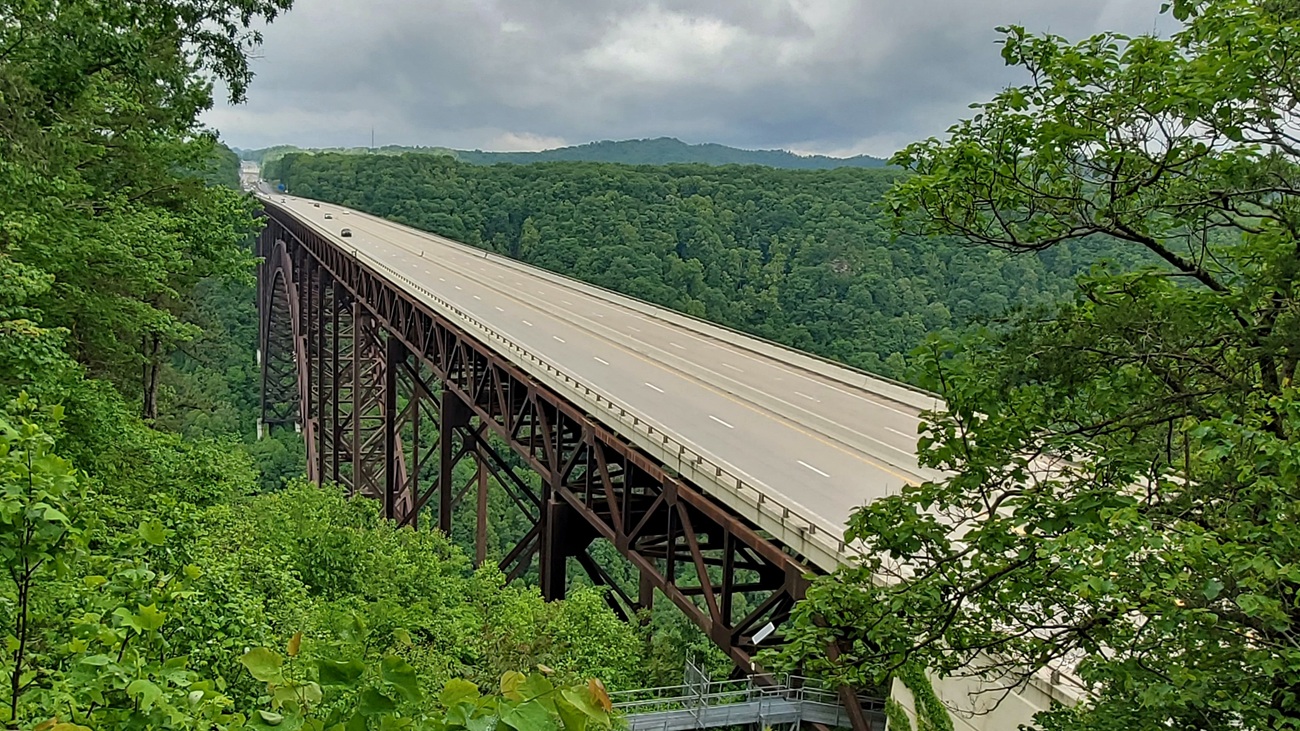
The New River Gorge Bridge is a 3,030' steel arch bridge containing a 1,700' long arch sitting 876' above the New River. Opened in 1977 on US Hwy 19, it is quite the impressive structure.
We get back on Hwy 60 and meander through the rugged Allegheny Mountains. We eventually reach White Sulphur Springs and go in search of The Greenbrier - a luxury resort with 710 rooms, 20 restaurants and lounges and 35 retail shops. It is ginormous.

Visitors had been coming to the area since 1778 to "take the waters." The current hotel was built in 1913. It is a tad gaudy and everything is expensive. We split a hamburger with 2 cokes and got out of there for $45. And, it was voted Best Historical Hotel in the USA.


Fun fact: In the late 1950's the US government wanted a secret bunker to house Congress in the event of a nuclear holocaust. They approached the Greenbrier and this underground bunker project was built at the same time as the West Virginia Wing was added. It was kept stocked for 30 years, had 18 dormitories and could house 1,000 people for 60 days, but was never used - even during the Cuban Missile Crisis. A reporter from the Washington Post outed it in 1992 and the bunker was immediately decommissioned.
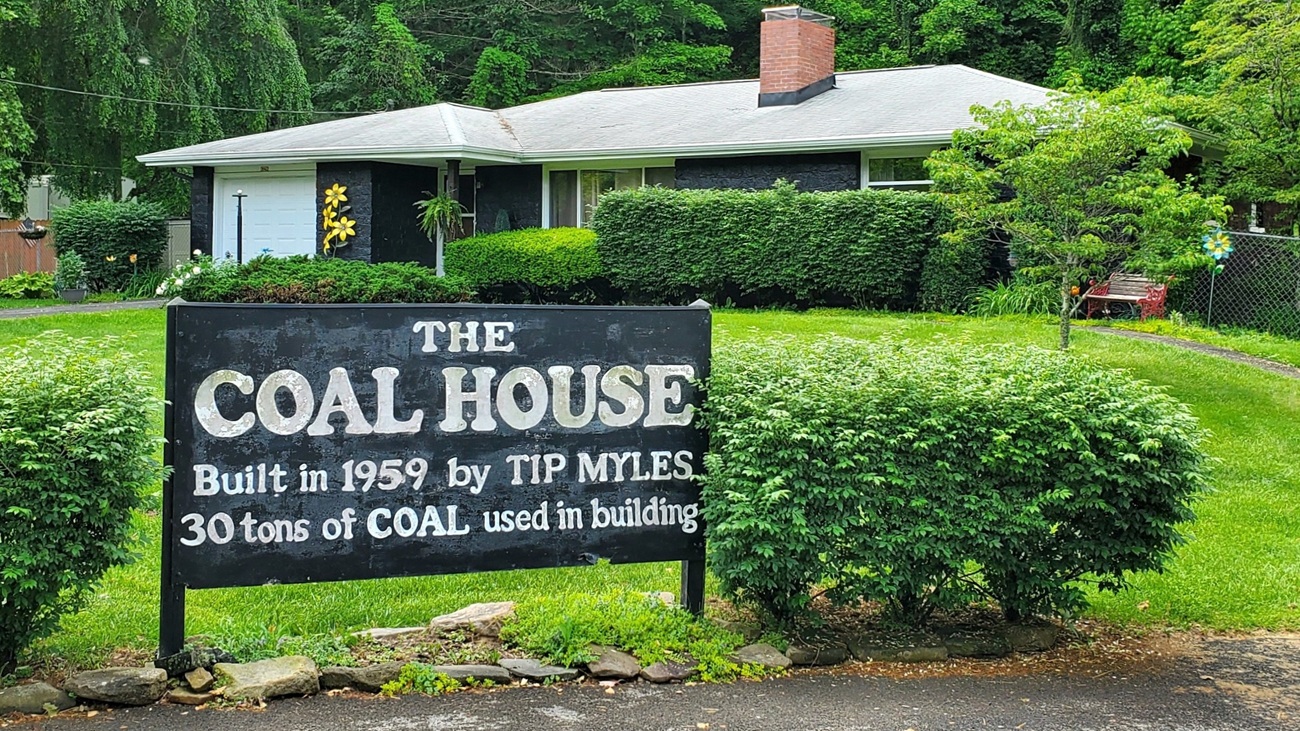
Time to leave White Sulphur Springs and we run into this on the way out of town. Go figure.
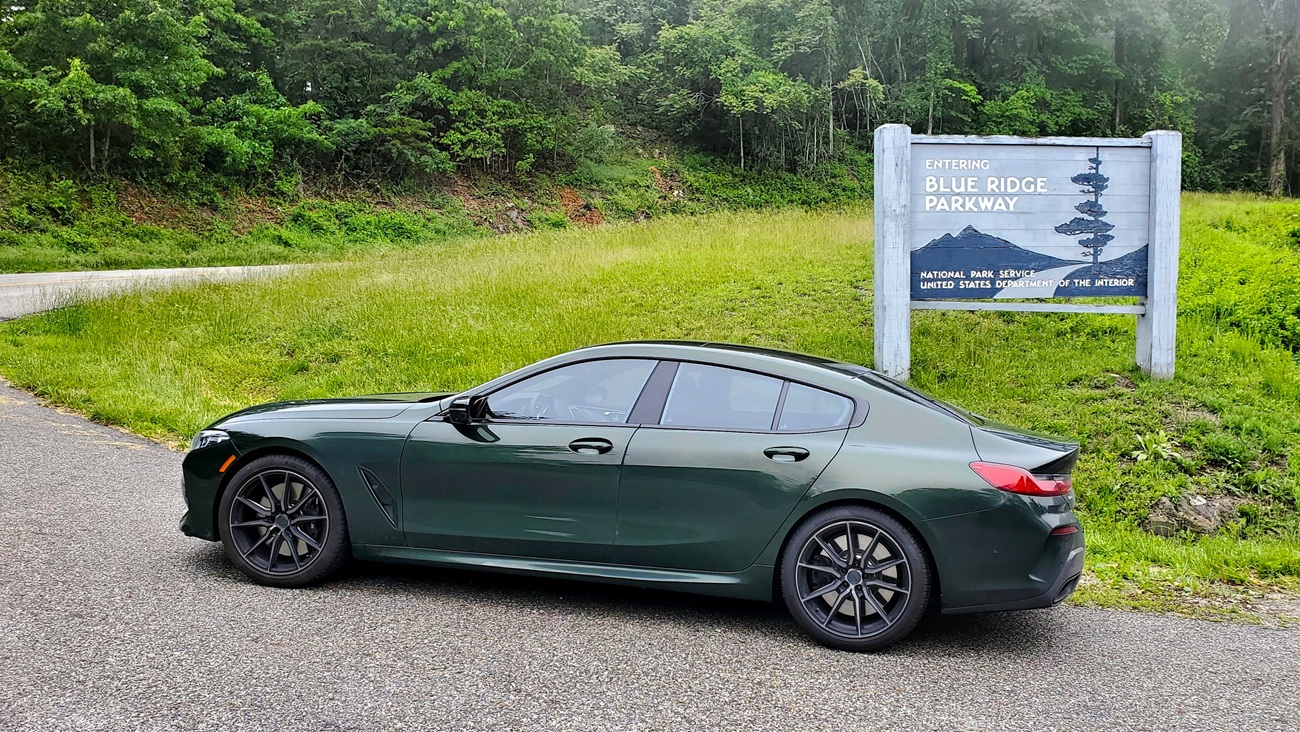
I-64 meanders through the green forested hills, which I believe are now the Blue Ridge Mountains - all part of the Appalachian chain that runs North/South for hundreds of miles through here. There's no time to stop at Lexington and we get back on Hwy 60 near Buena Vista and climb into the hills. A quick detour takes us a ways up the Blue Ridge Parkway - another marvelous road taking you through 469 miles of the Appalachians. Some day.
Back on Hwy 60, the road is tortuously windy as we crest the ridge and descend to Lynchburg. 20 miles later we are in the Village of Appomattox Courthouse - a fairly significant historical site.

After the fall of Richmond, VA during the Civil War, Gen. Robert E. Lee was attempting to retreat to Lynchburg. Eventually, the Union army under Gen. Ulysses S. Grant had Lee's army trapped, surrounded and outnumbered. Lee saw no way out. He asked to surrender.
The two generals met in the parlor of Wilmer McLean's home (built in 1846 and now known as the Surrender House) to negotiate terms on April 9, 1865.
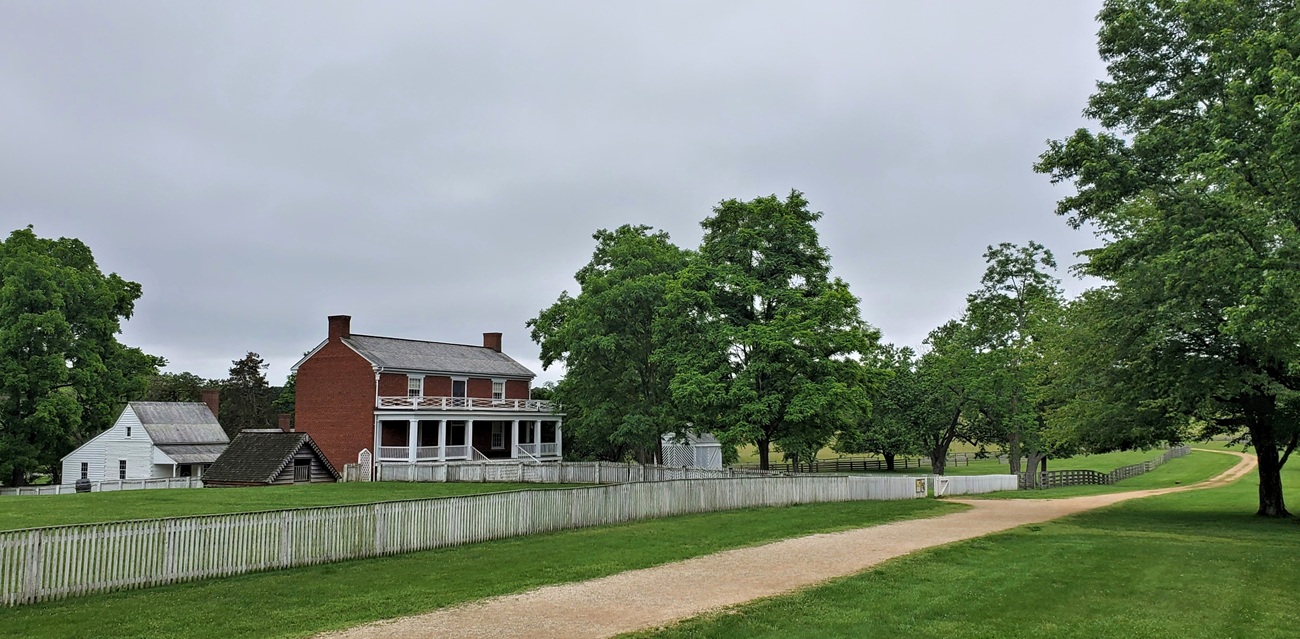
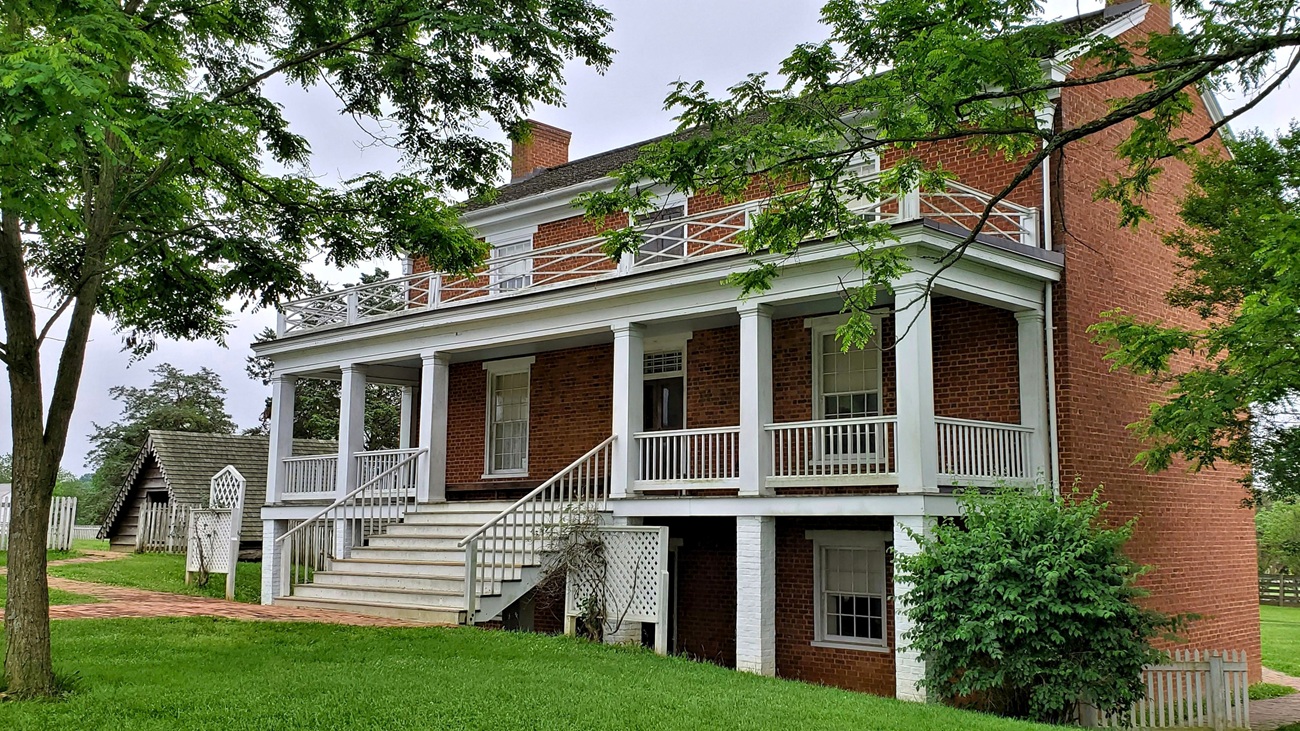
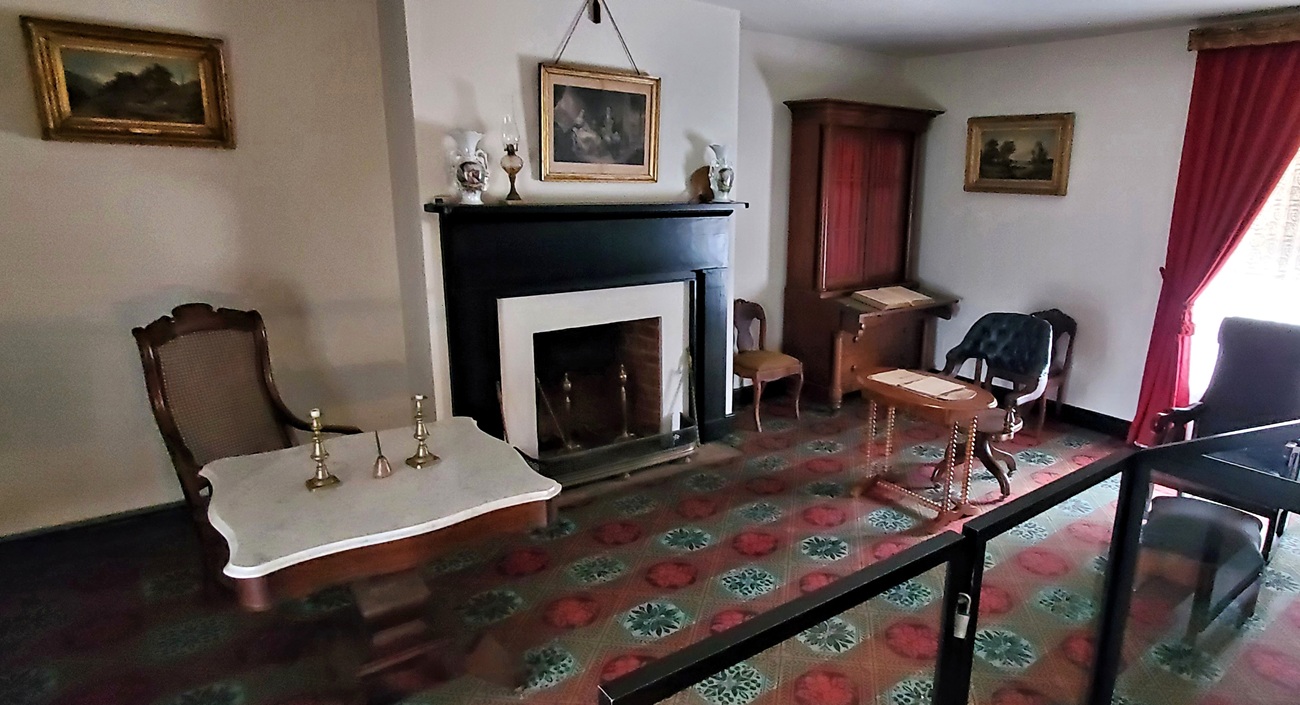
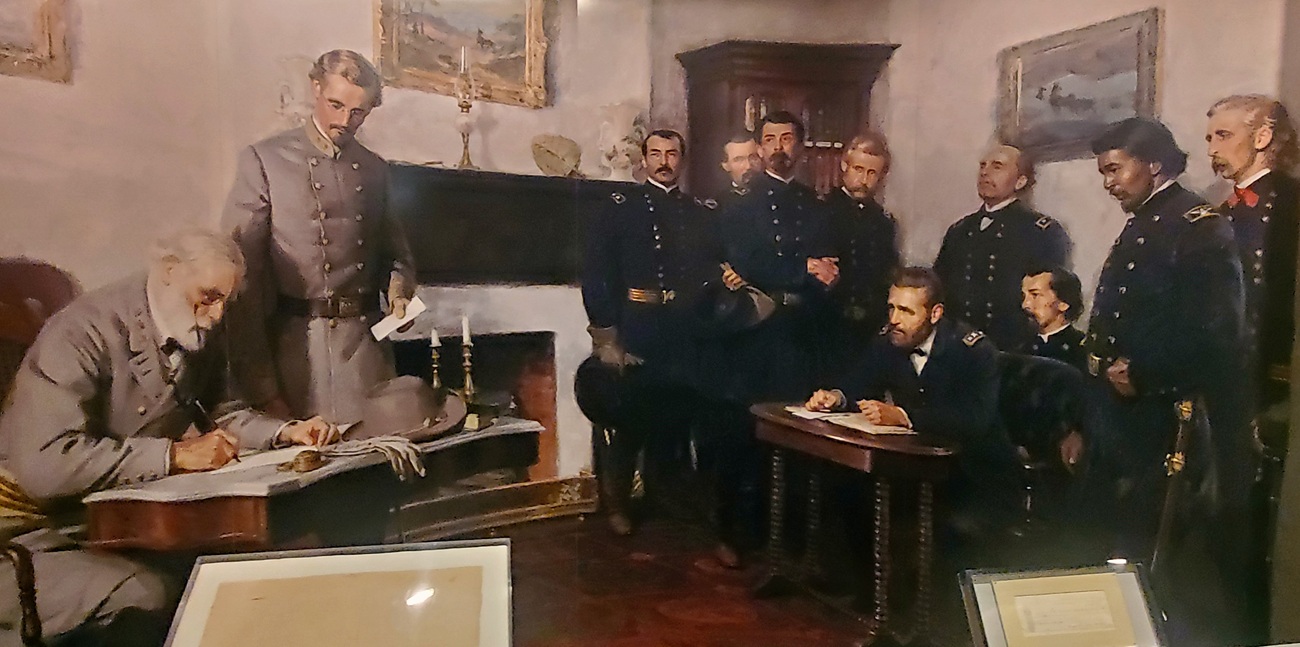
Nothing actually happened at the courthouse itself. A few celebratory pictures, maybe.

Five days later, Abraham Lincoln was dead. Virtually his entire presidency was consumed by the Civil War.
The original courthouse burned down in 1892. The replacement replica serves as a visitor center.
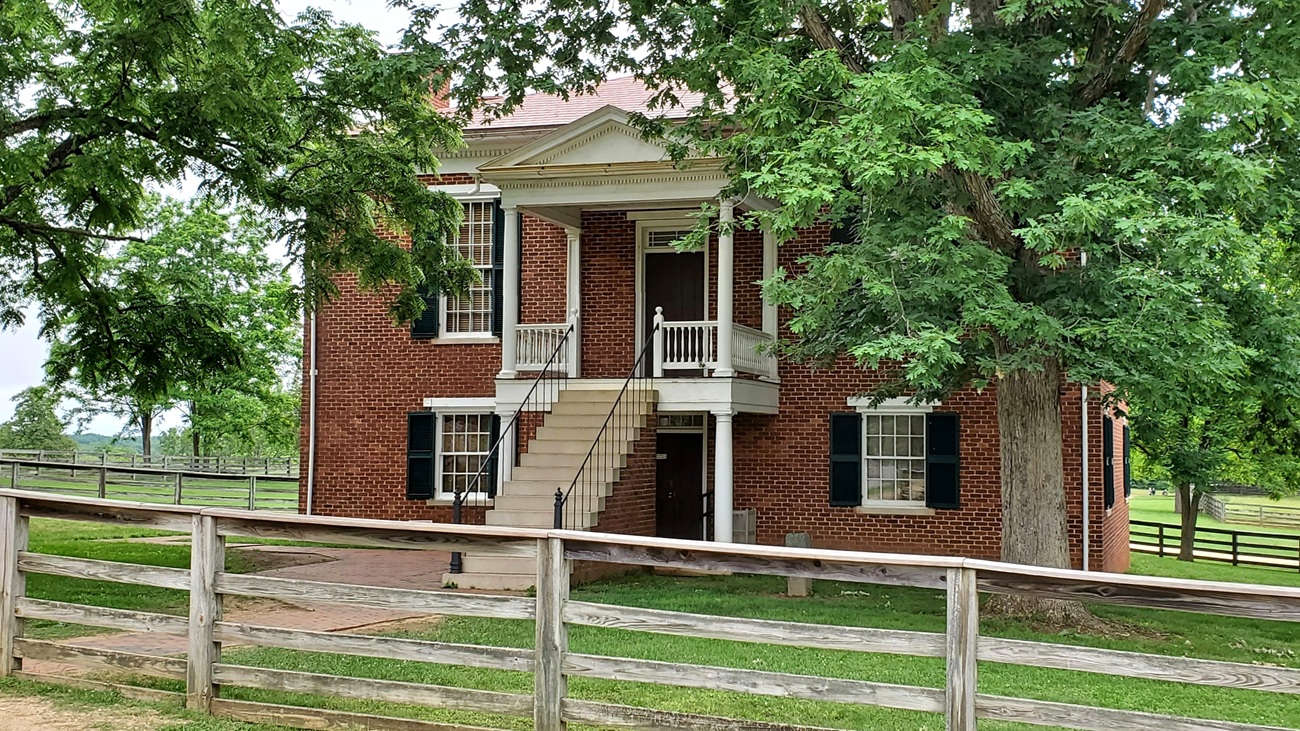
We look through several other buildings on-site and then head for tonight's stop in Charlottesville, VA - still about 90 minutes away. We might make it by 6 o'clock.
The history gets real serious tomorrow.
Charlottesville, Virginia
 Total Miles: 3,673
Daily Avg: 408 Miles
Day 10: Charlottesville to Washington DC - 139 Miles

Not very far to drive today - and that's a good thing.
Still, we get an early 8 AM start and drive through Charlottesville - a charming college town of around 45,000. It is the home of the University of Virginia. Pictures of the town are hard to come by and the campus just yields a few.
University of Virginia

The main reason to detour through Charlottesville is that Monticello is nearby, and that was the home of Thomas Jefferson, 3rd President of the United States. We want to make the first tour at 9 o'clock.
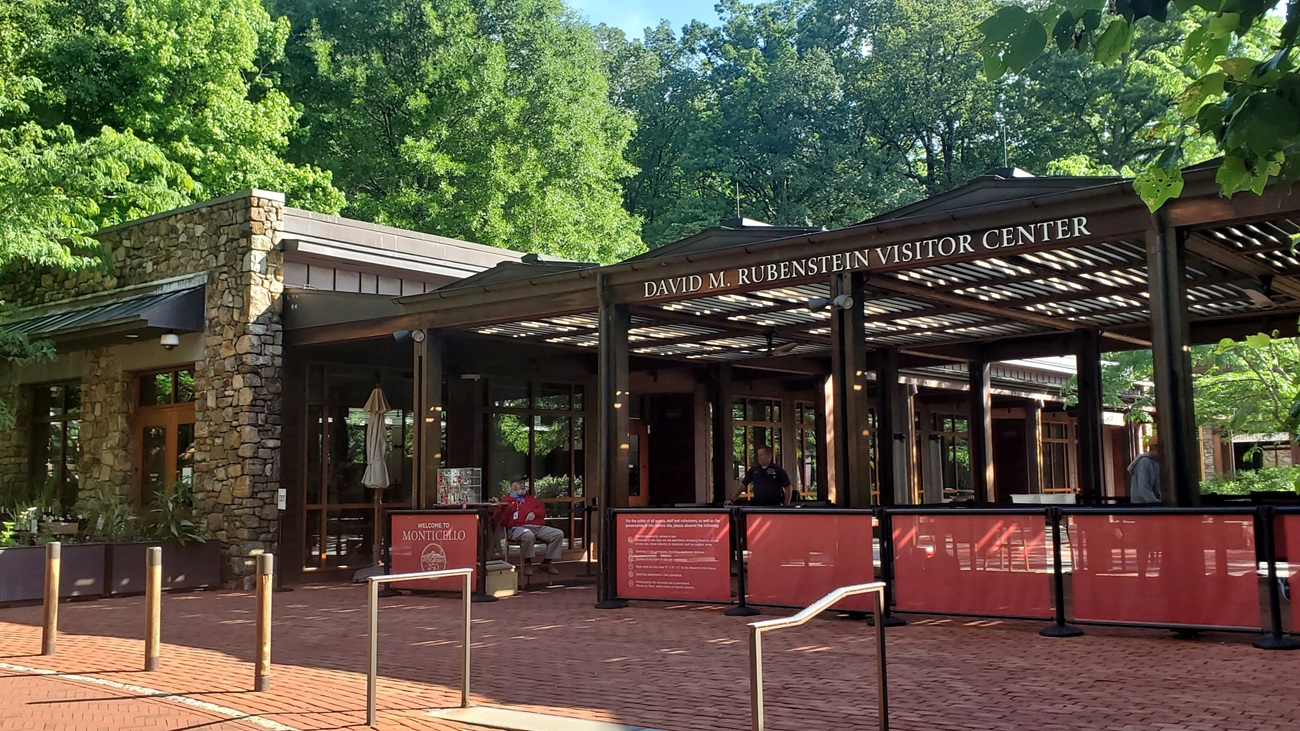
The visitor center and parking is quite substantial.
 The man himself

A shuttle bus takes us up to the main house. The estate is a UNESCO World Heritage Site and currently spans 2,500 acres (5,000 originally), including Jefferson's 43 room mansion. He designed the house and continually remodeled it for 40 years.
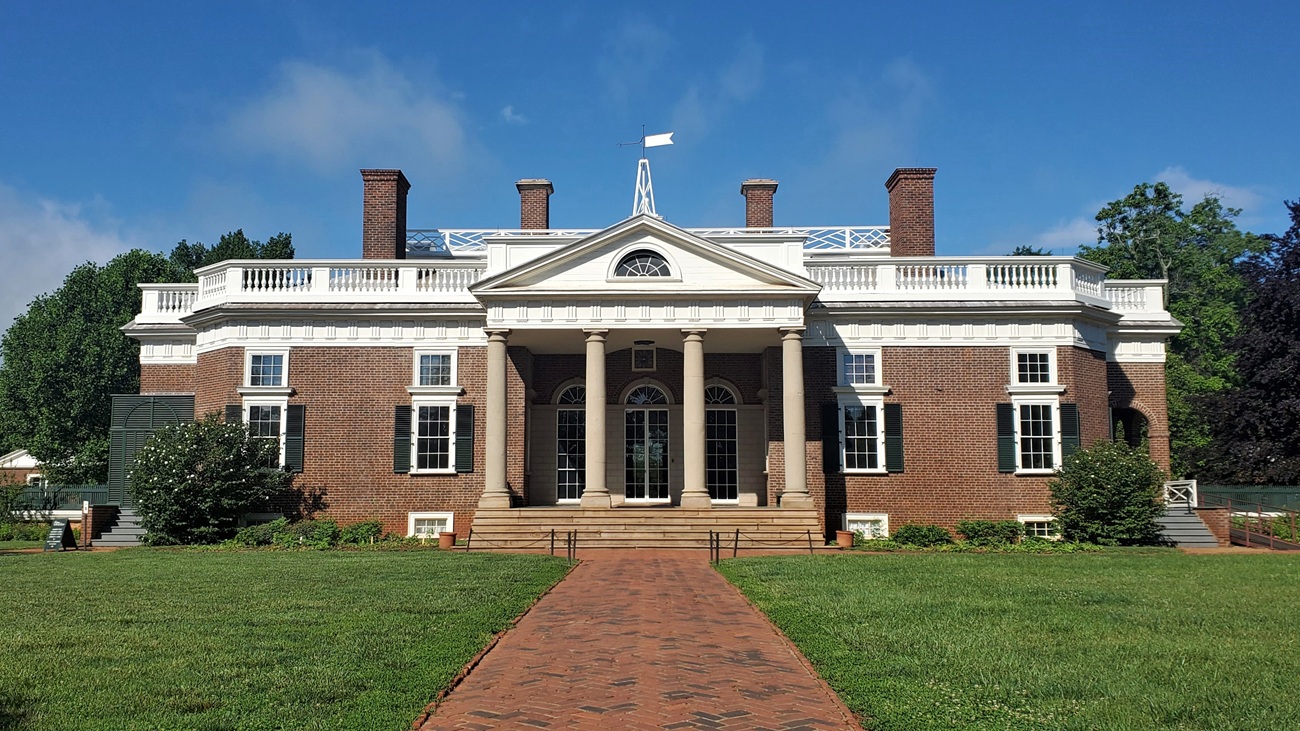

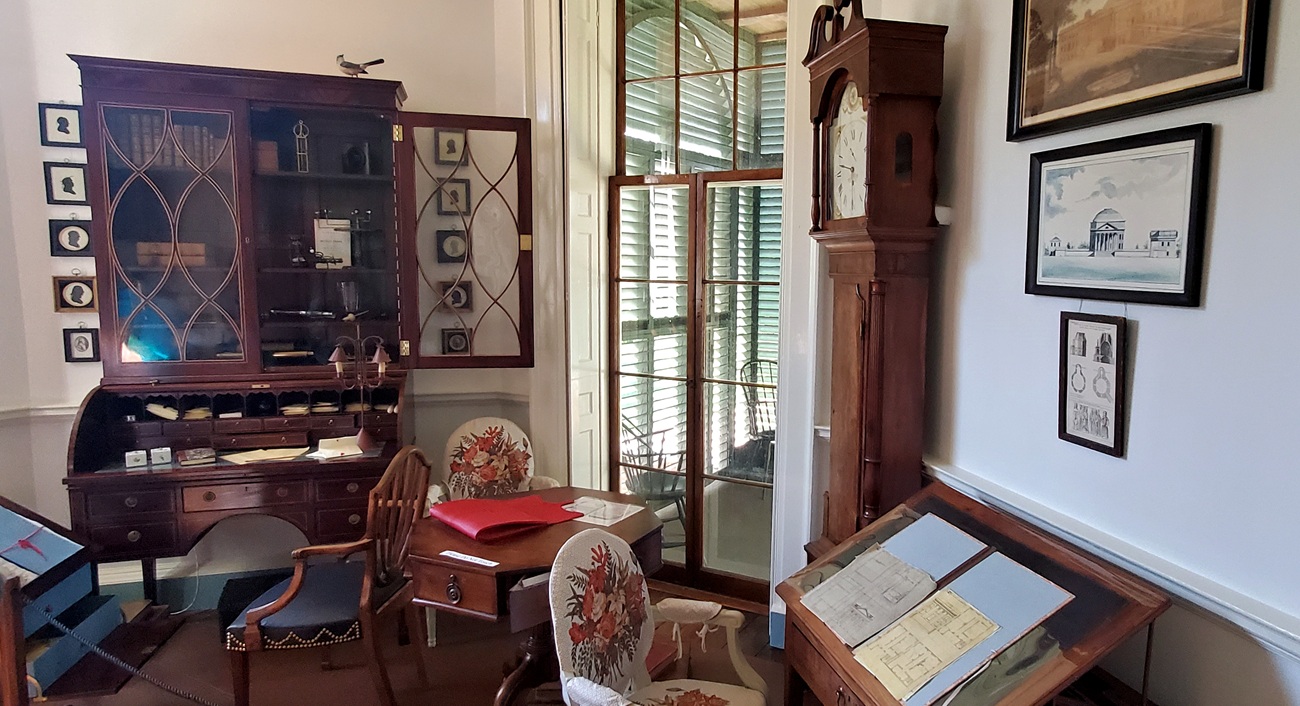
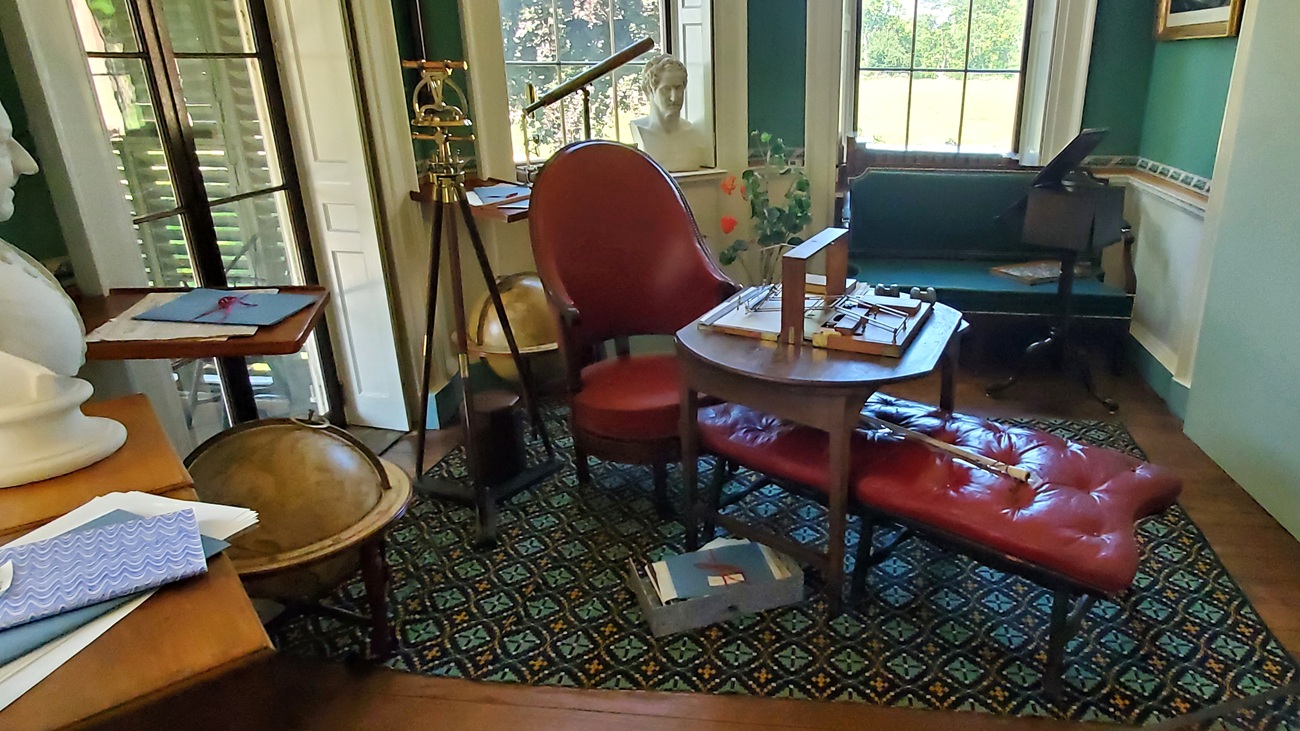
Thomas Jefferson died here on July 4, 1826 - the 50 Year Anniversary of the signing of the Declaration of Independence. Oddly enough, John Adams also died on the same day. Jefferson was 83, Adams 90.
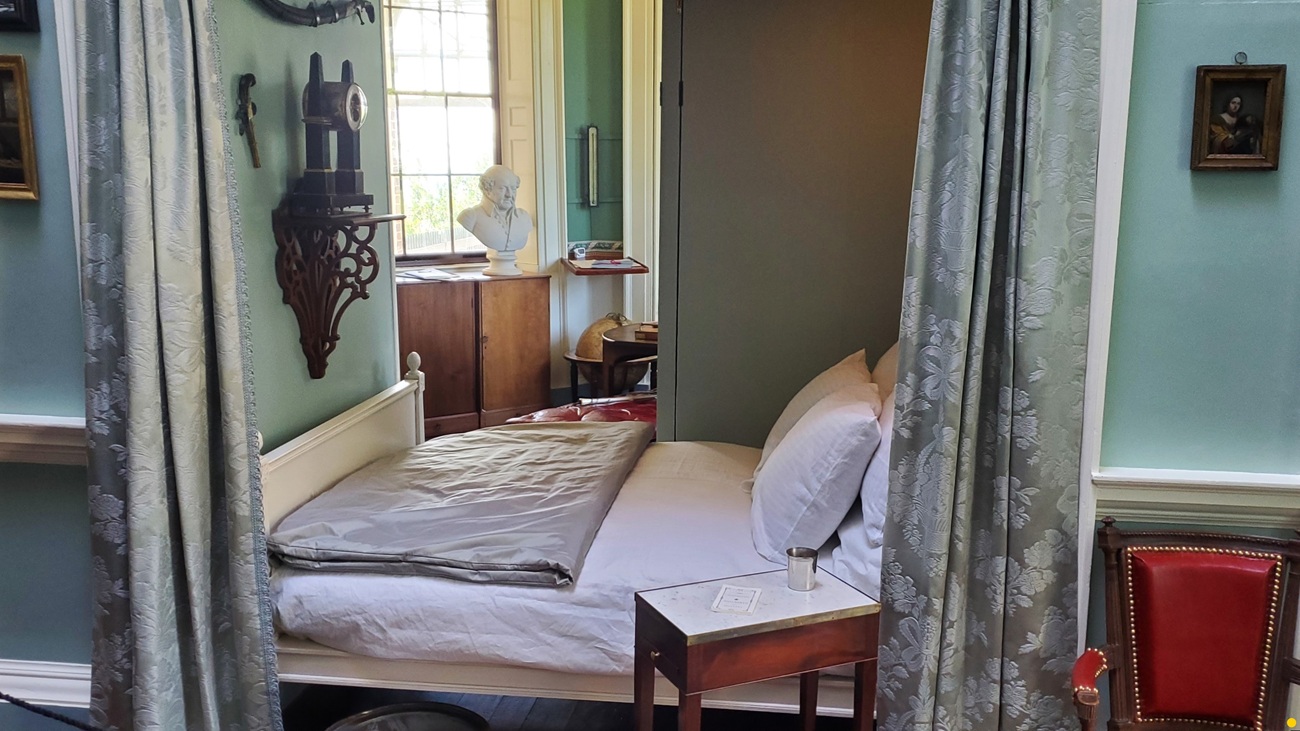
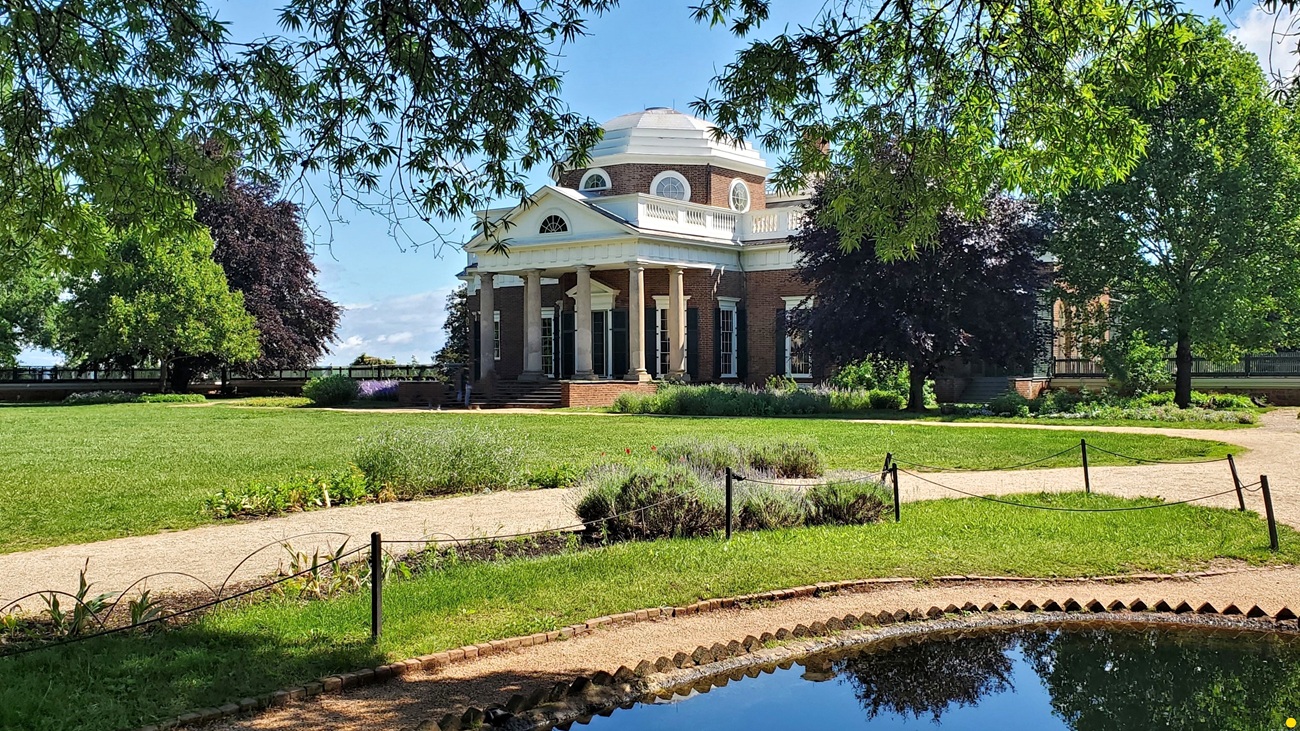
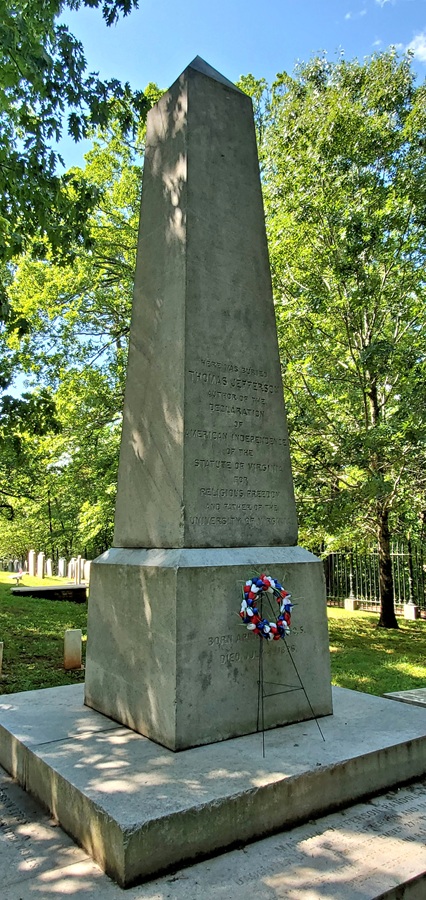
The tour lasts about an hour, we wander the grounds and walk back to the visitor center, which takes you by the Jefferson family cemetery.
Back in the car we head for Chancellorsville, about 60 miles down the road through the rolling countryside. The Battle of Chancellorsville in early May 1863 was a major Civil War battle after the battle of Fredericksburg in the winter of 1862 - 1863. It turned out to be a significant confederate victory for General Lee, despite being outmanned 133,000 to 60,000. The combined casualties were over 30,000 dead, wounded or missing. Nearly 60% of the casualties were on the Union side. Lt. Gen. Stonewall Jackson of the South was shot in the arm by friendly fire and had to have his arm amputated. He died 8 days later of pneumonia. Jackson was Lee's most aggressive field commander. Lee used this battle as a stepping stone to Gettysburg.

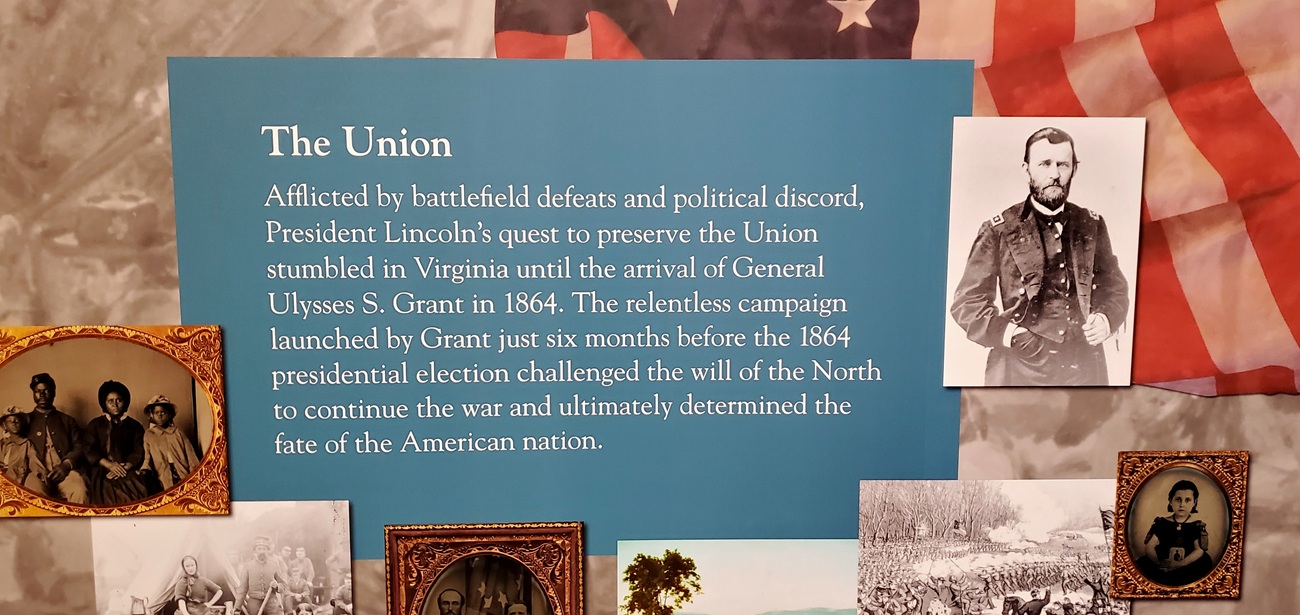
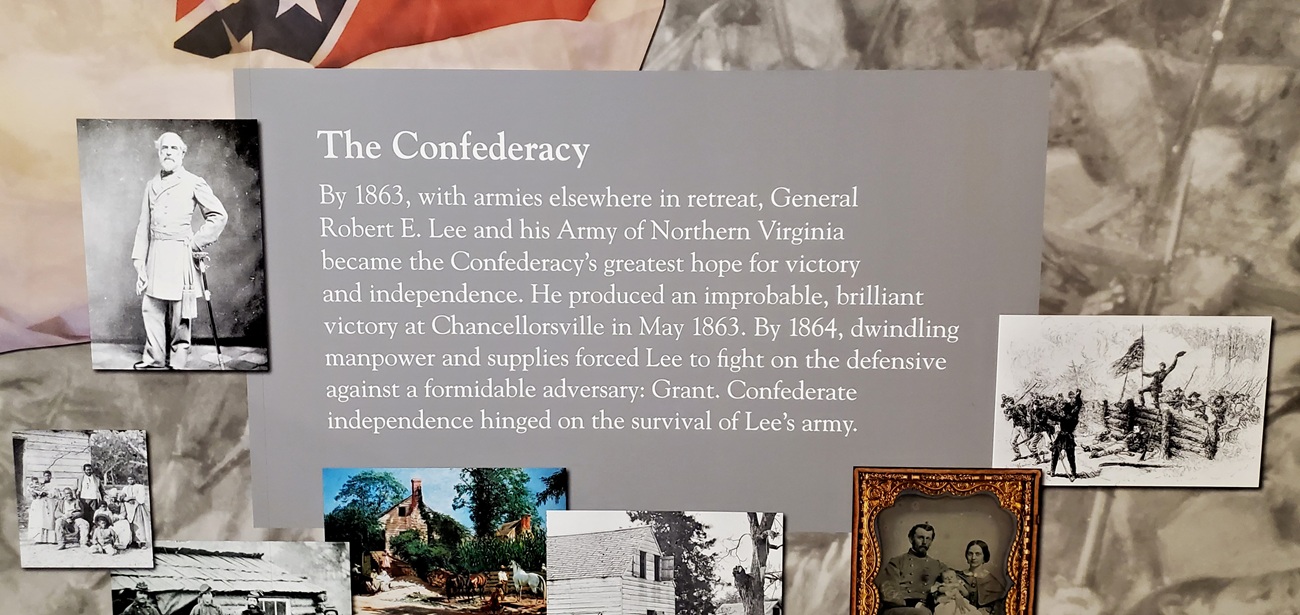
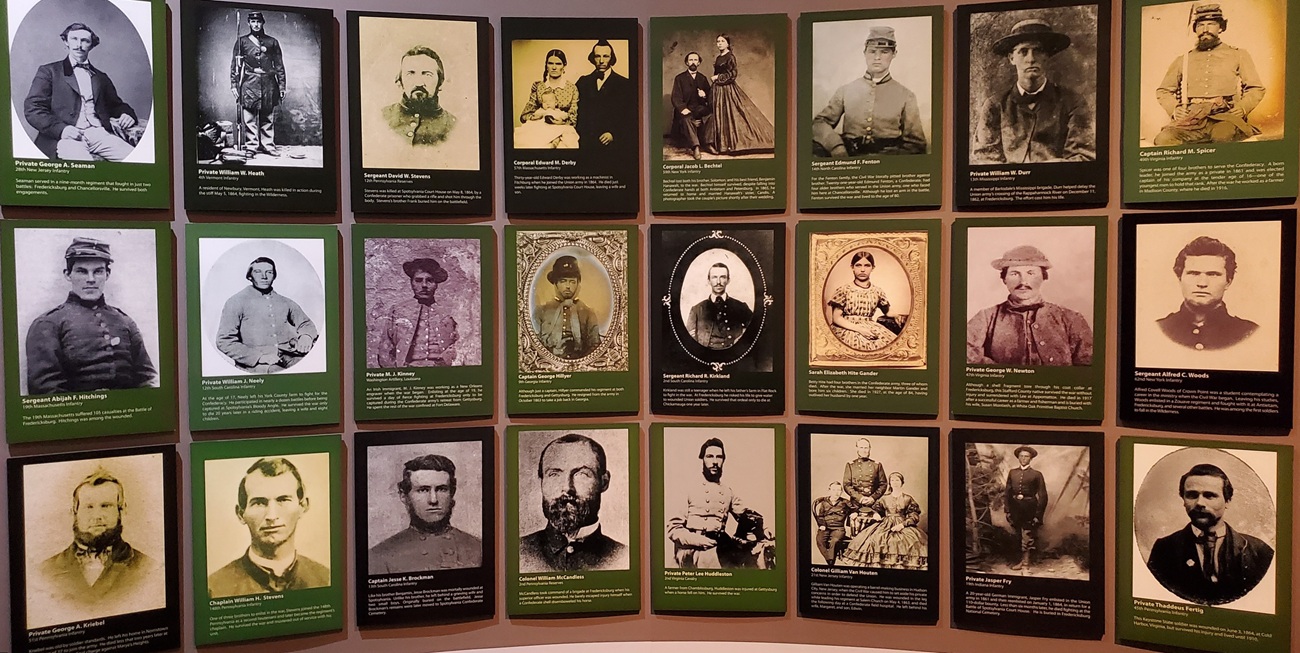
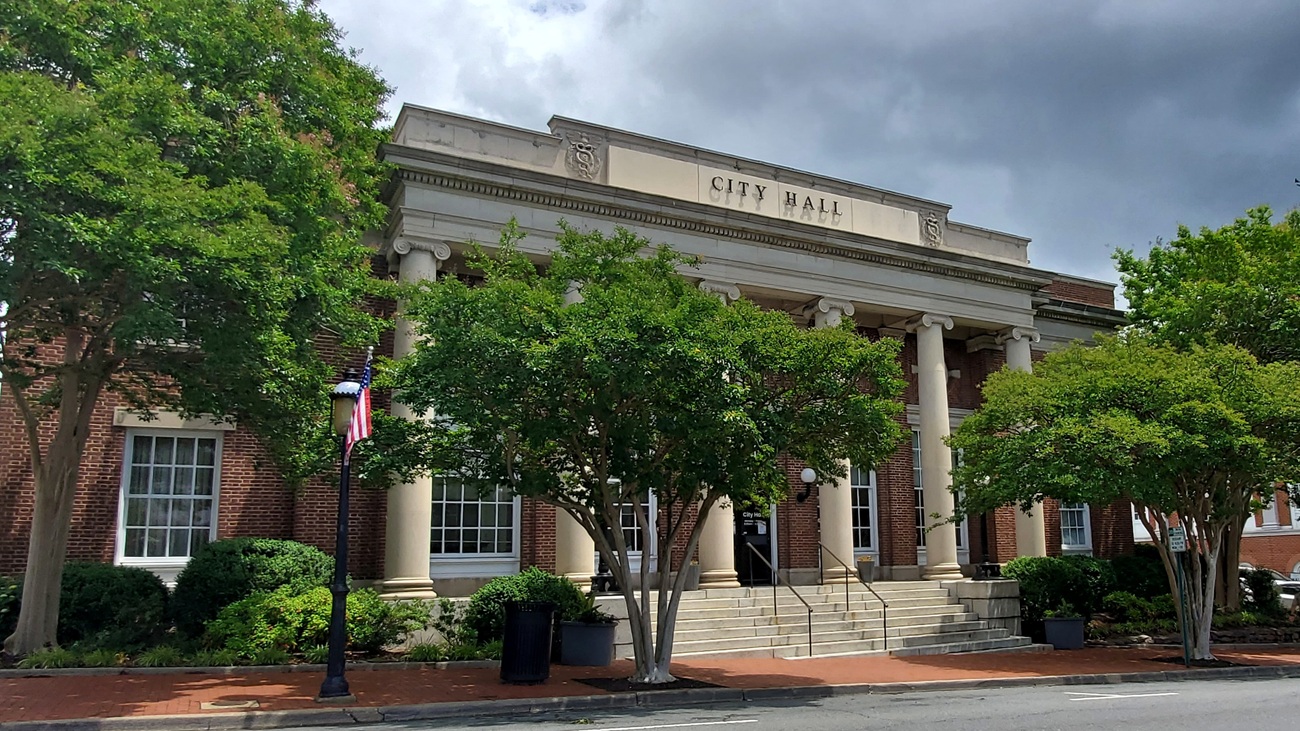
It's nearly 12:30 and we head to Fredericksburg, grabbing a quick lunch. Fredericksburg and Spotsylvania also saw several battles. It is a nice hamlet, but not much time to visit.
City Hall
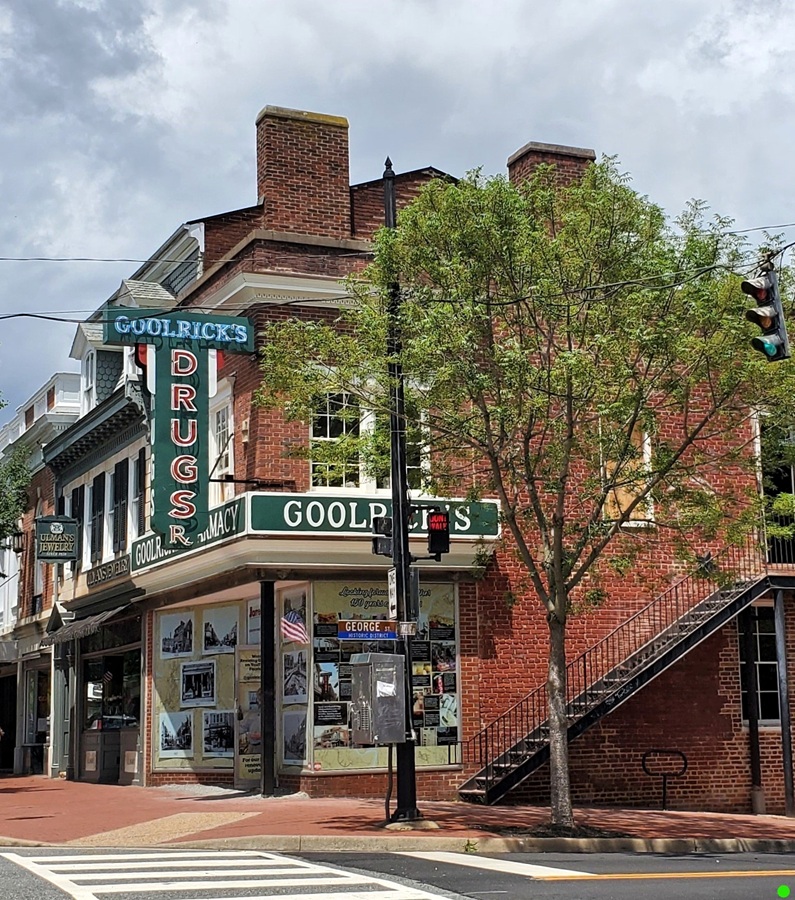
 Princess Anne Street
We meander up Hwy 1, which parallels I-95 (dang - we are really on the east coast now) and turn on to Russell Road outside of Quantico. Hmmmmm. Might be a lot of Marines and FBI in there. (Not my picture)
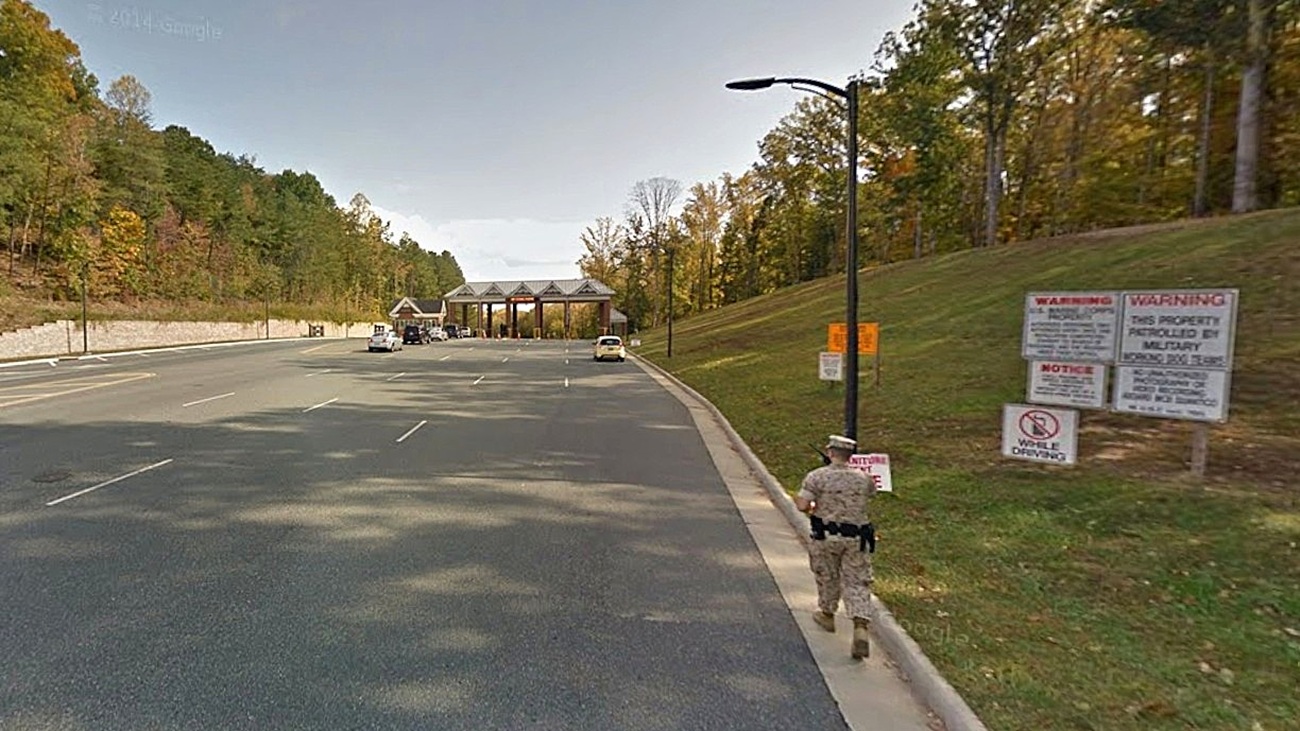
We choose not to proceed and head over to the
National Museum of the Marine Corps instead.
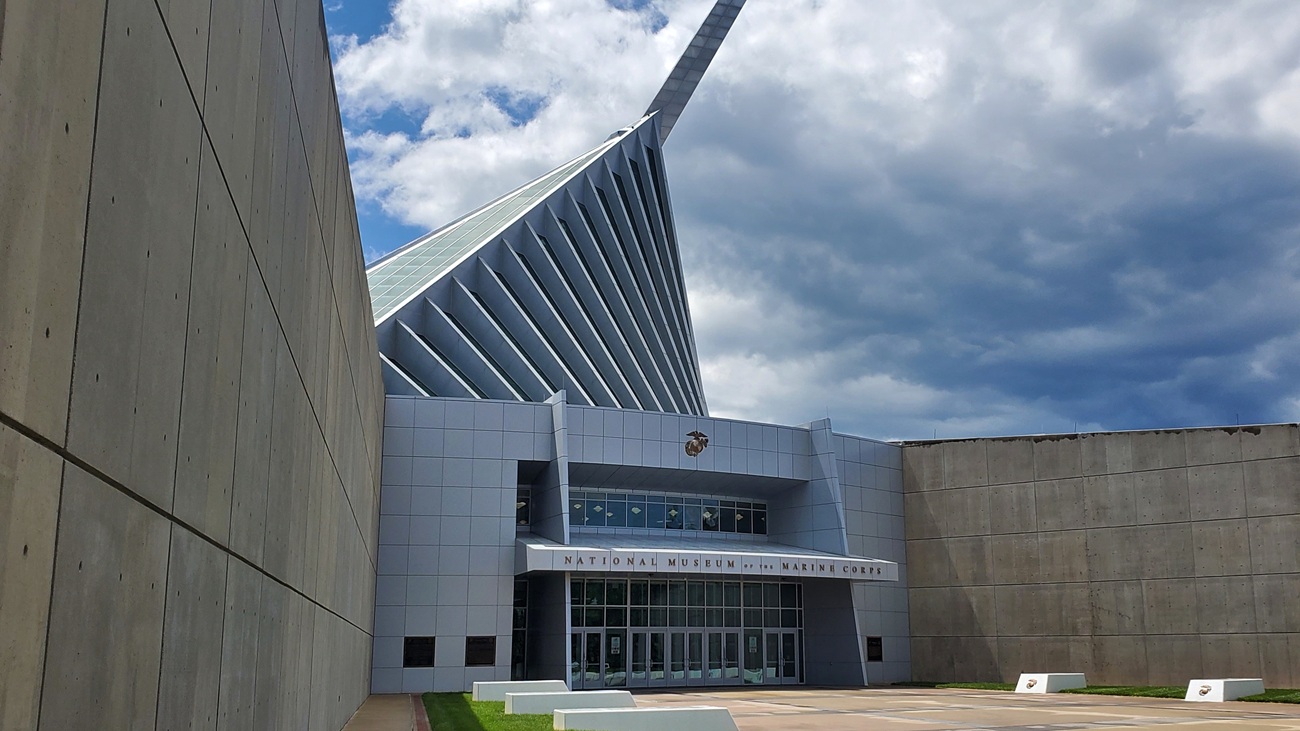
This is a fabulous museum, chronicling the entire history of the Marines and all the theaters they've fought in. One of the most poignant was the Iwo Jima Exhibit. During WWII, for 36 days from Feb 19 - Mar 26 1945, 7,000 marines perished, along with 19,000 casualties in the taking of Iwo Jima.

Also one of the most iconic flag raisings in American battle history.
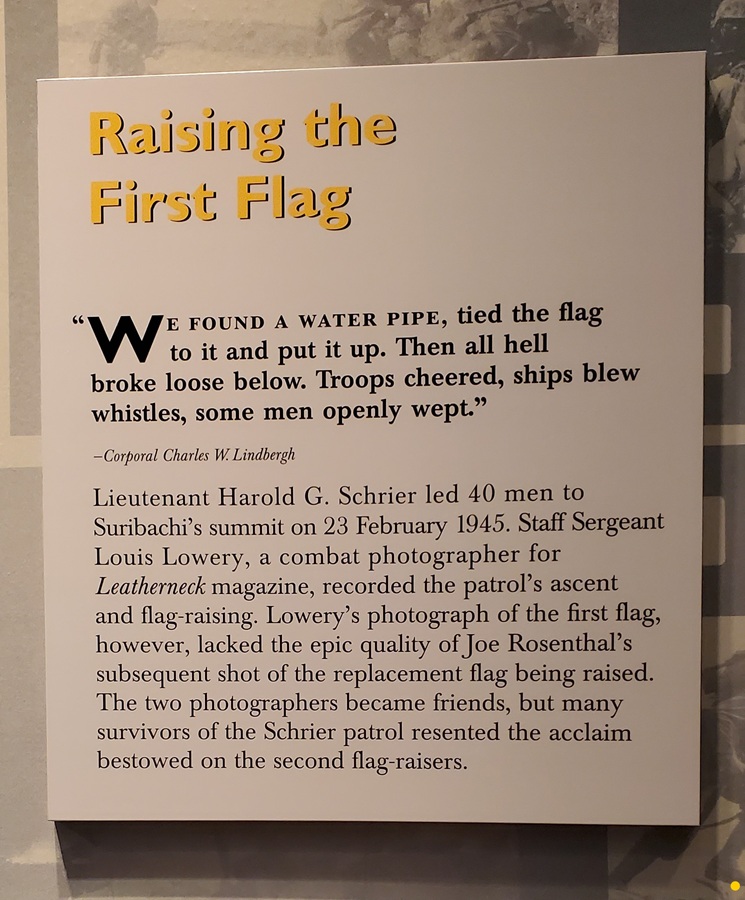
 The Flag

Several exhibits of aircraft, tanks and artillery
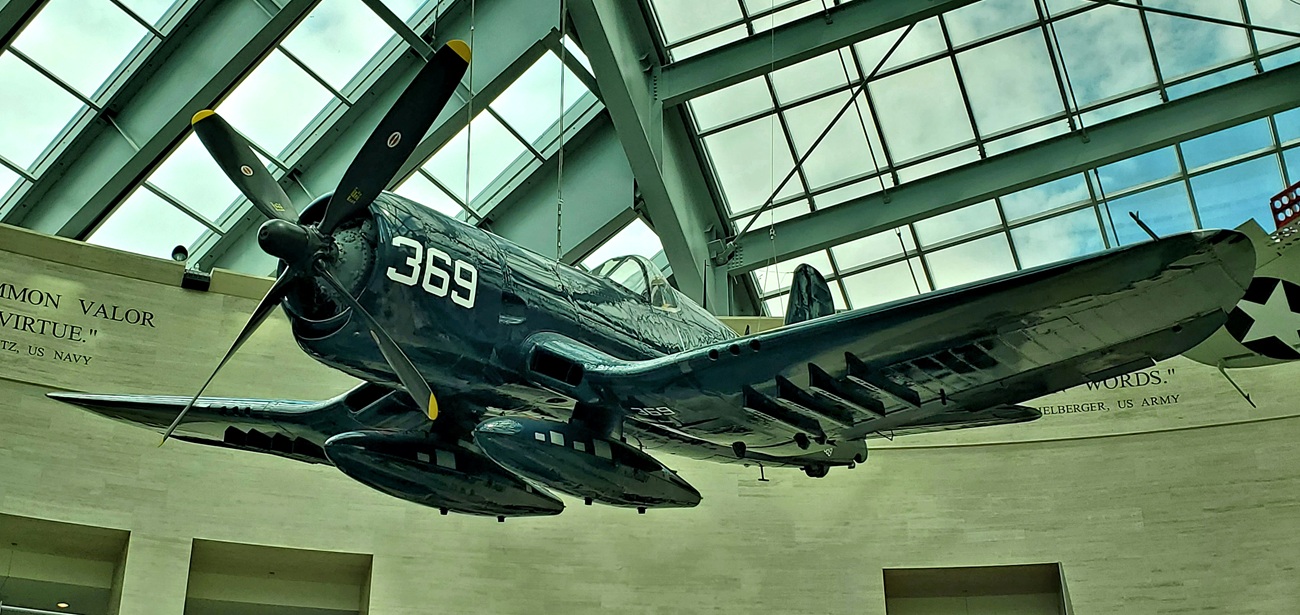

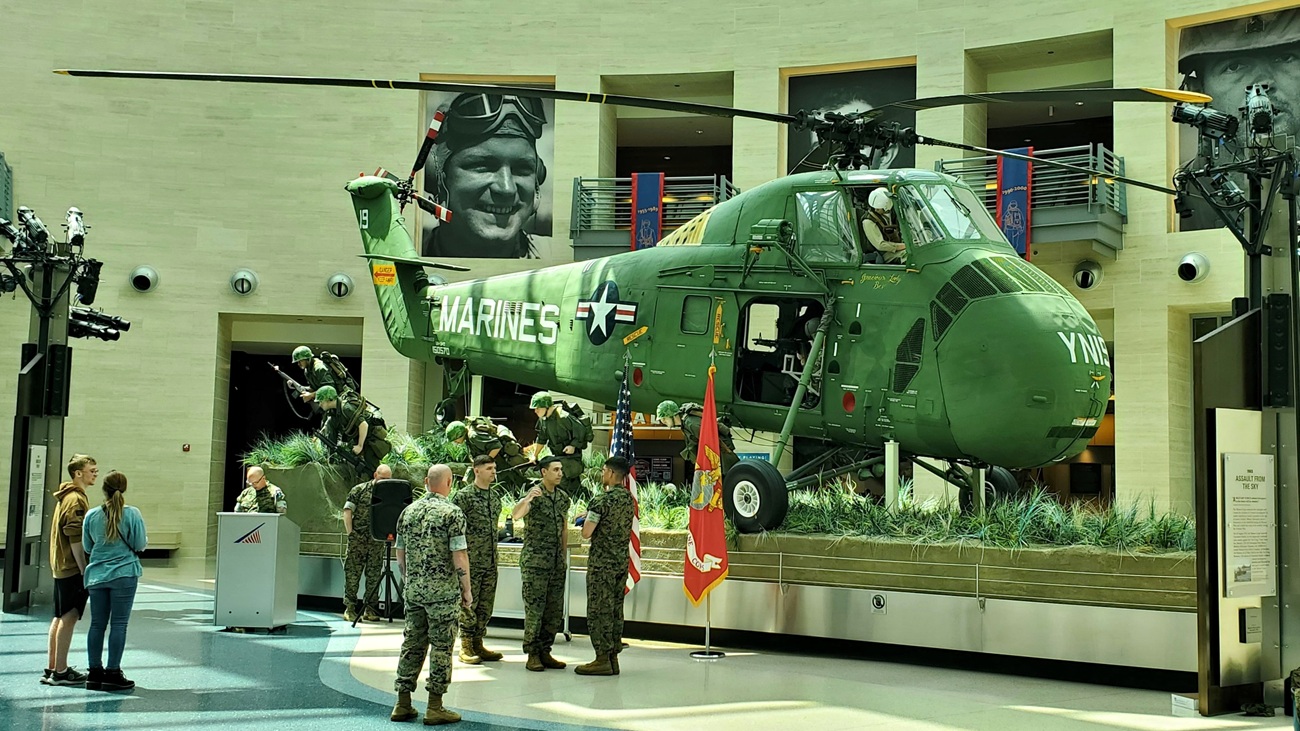
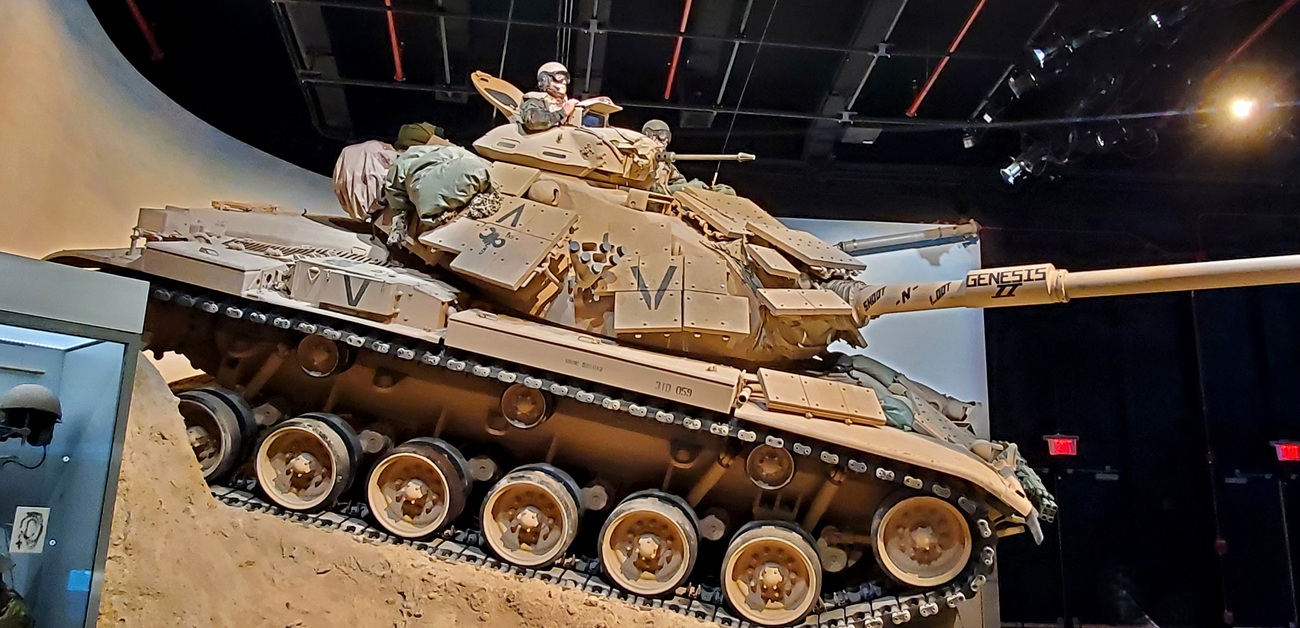
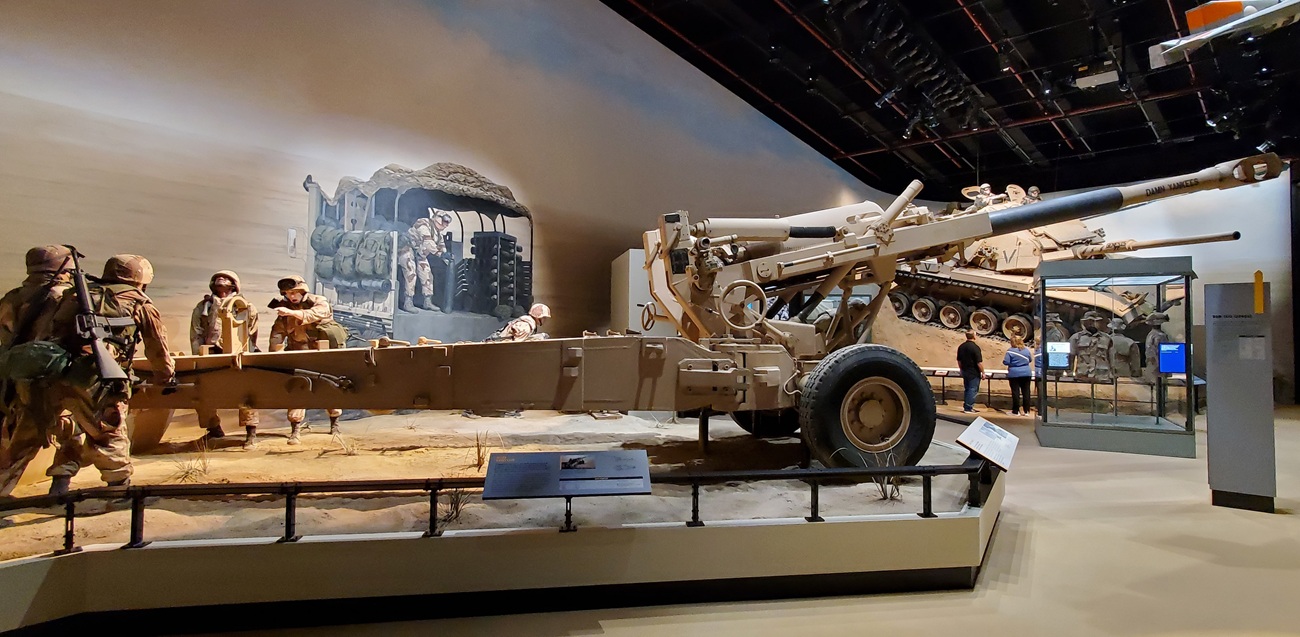
The Cold War, Viet Nam and the Gulf Wars.
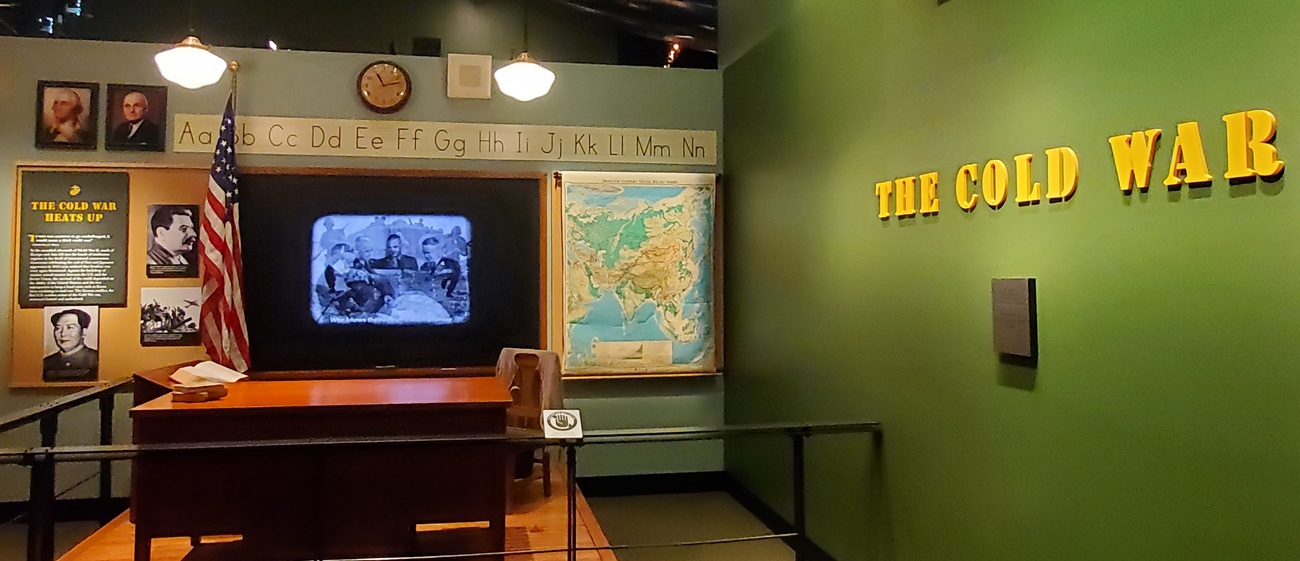
Could have stayed longer, but Mount Vernon, up the road 45 minutes, was calling, as they close at 5:00.
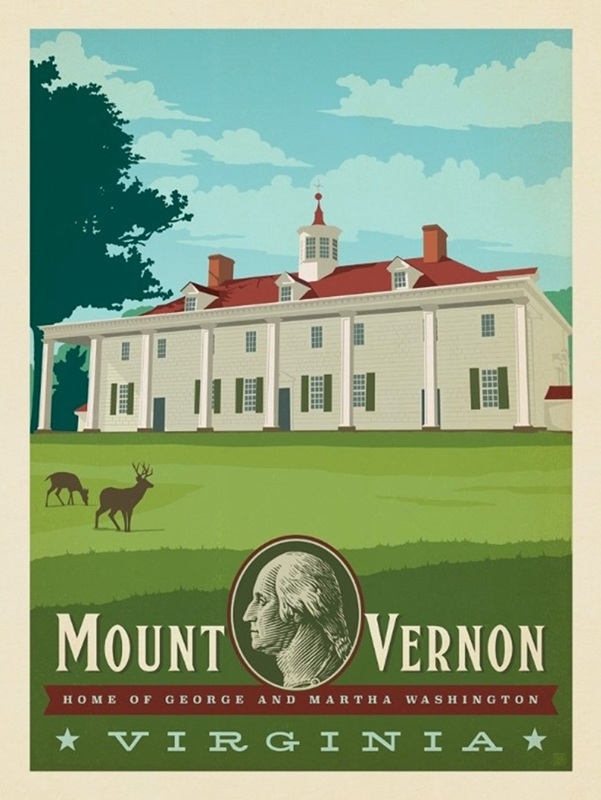
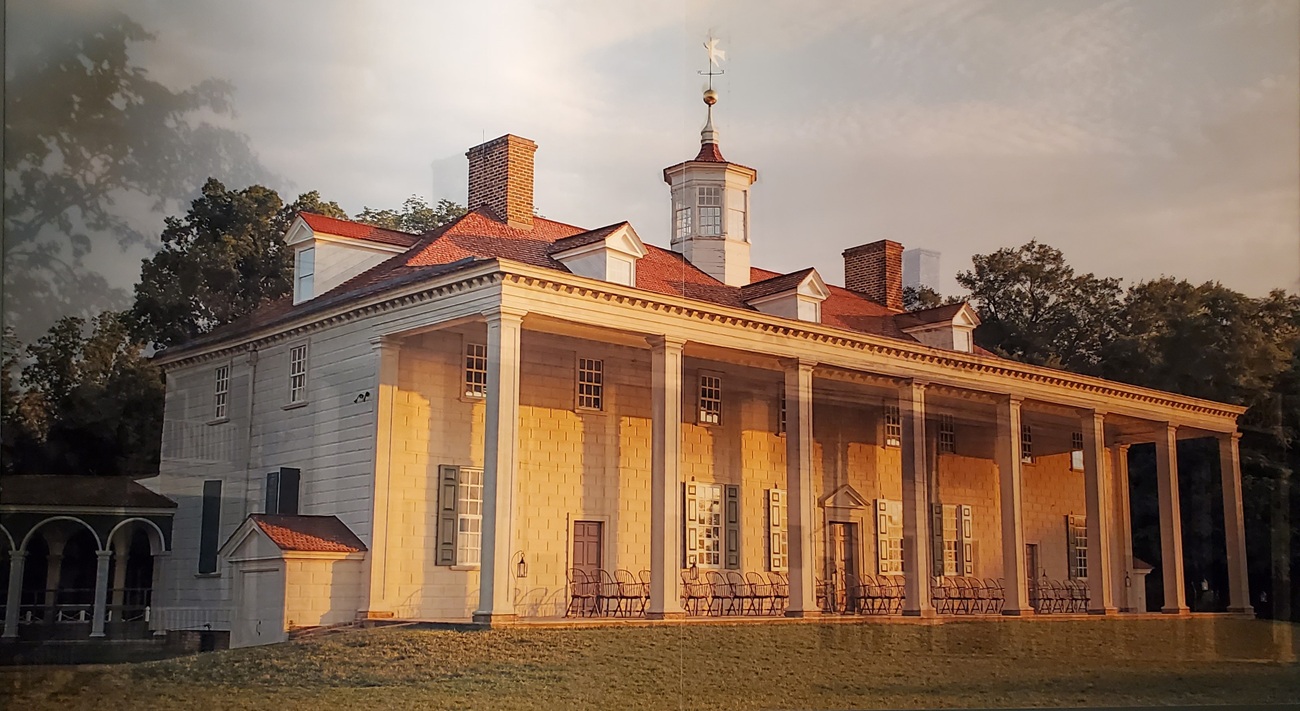
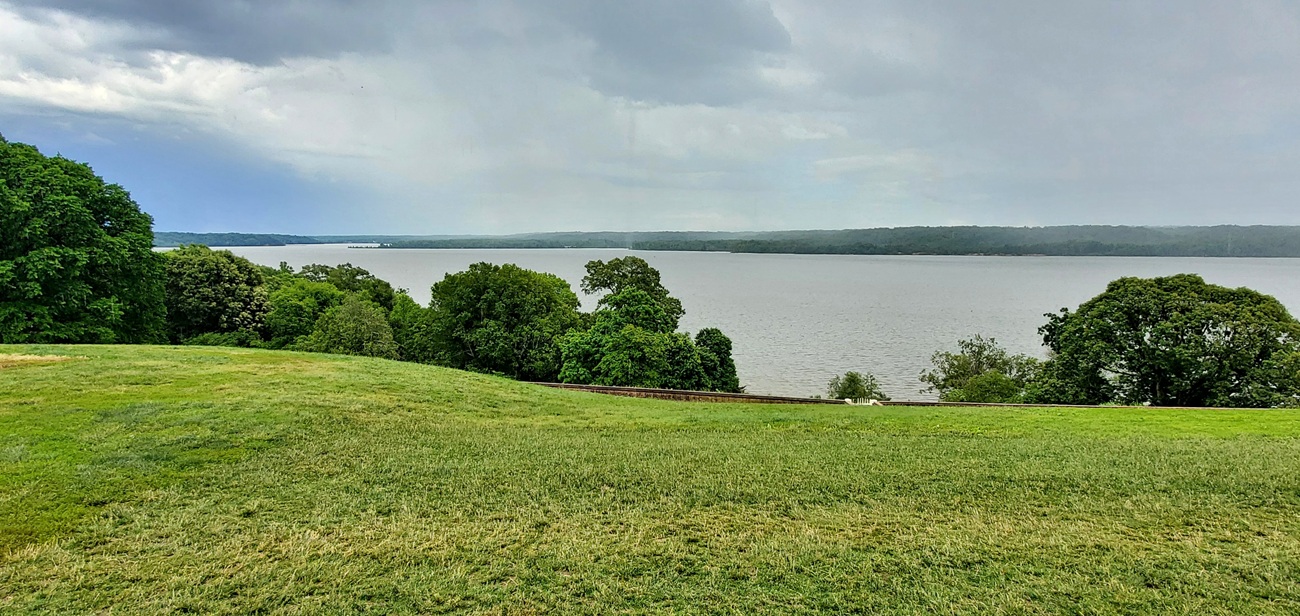
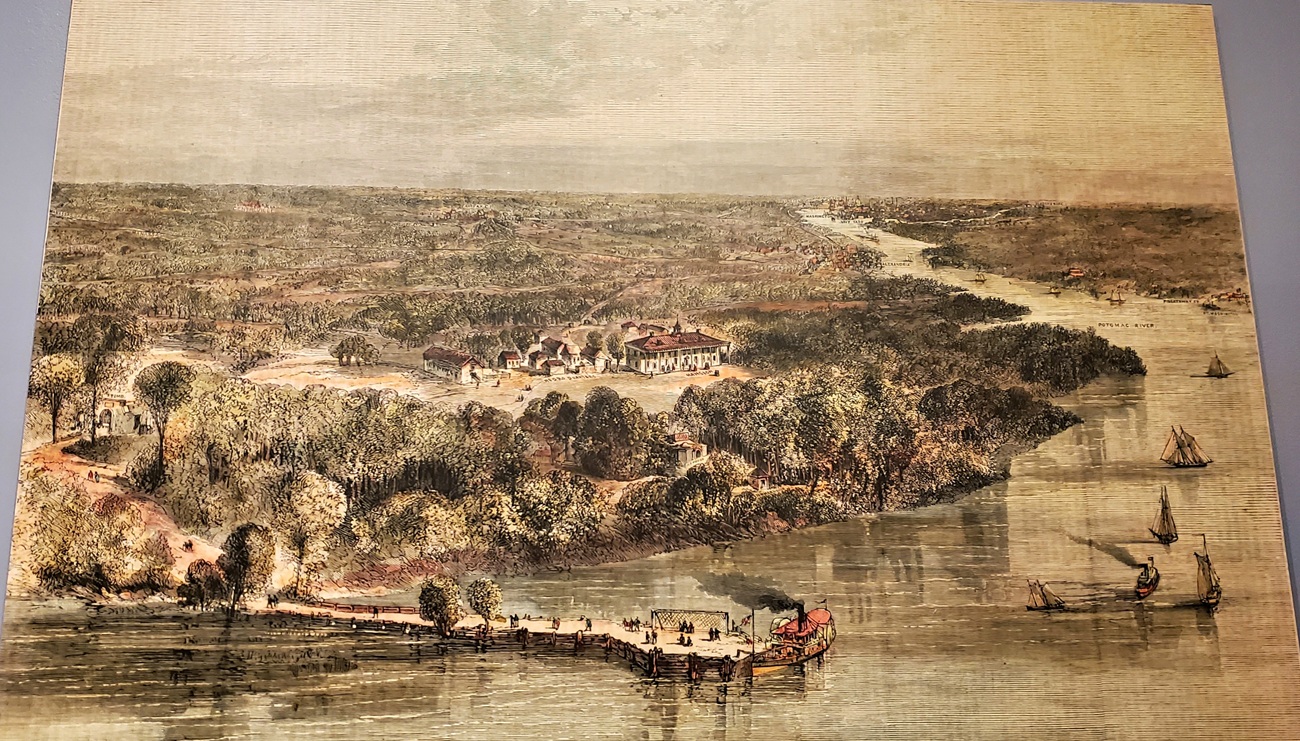
Mount Vernon is George Washington's family residence and plantation. It lies on the Potomac River about 15 miles south of Washington DC.
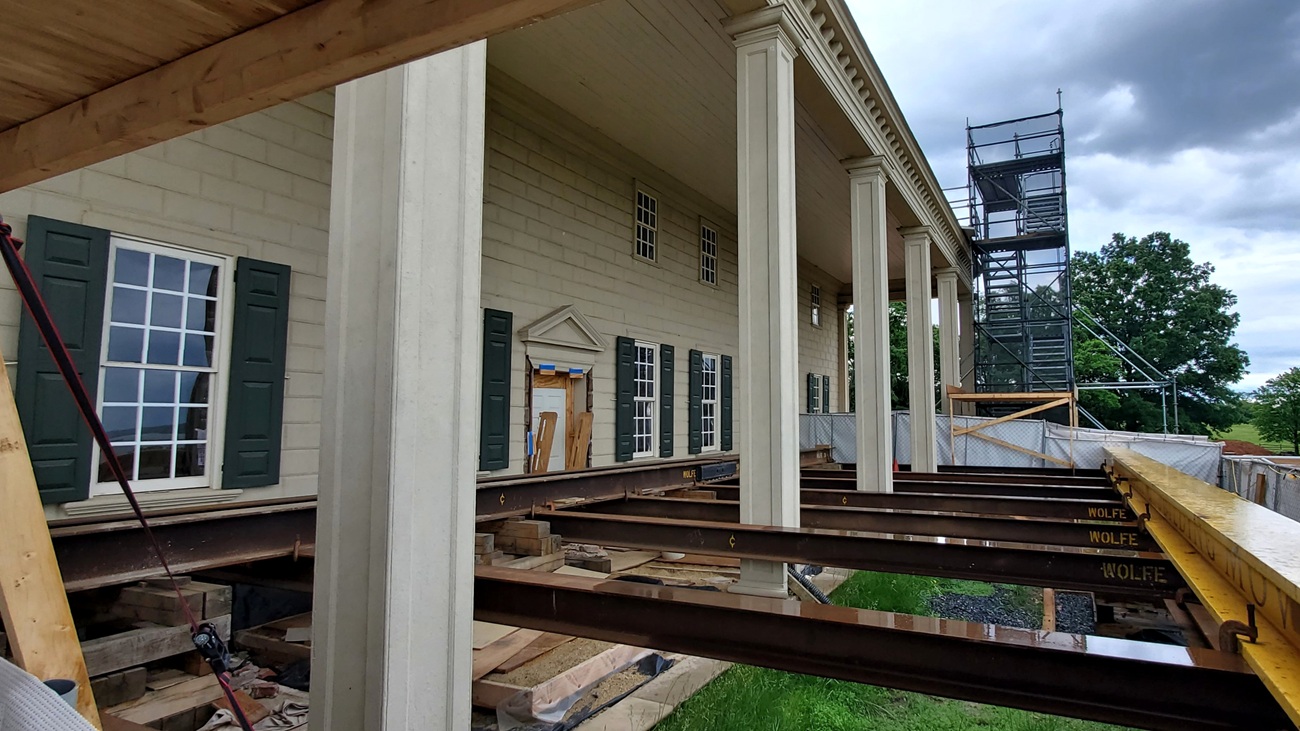
You can do a self guided tour of the main residence and grounds, plus a very nice museum. The house is currently under a full restoration, so, not a ton is available for viewing. No matter.
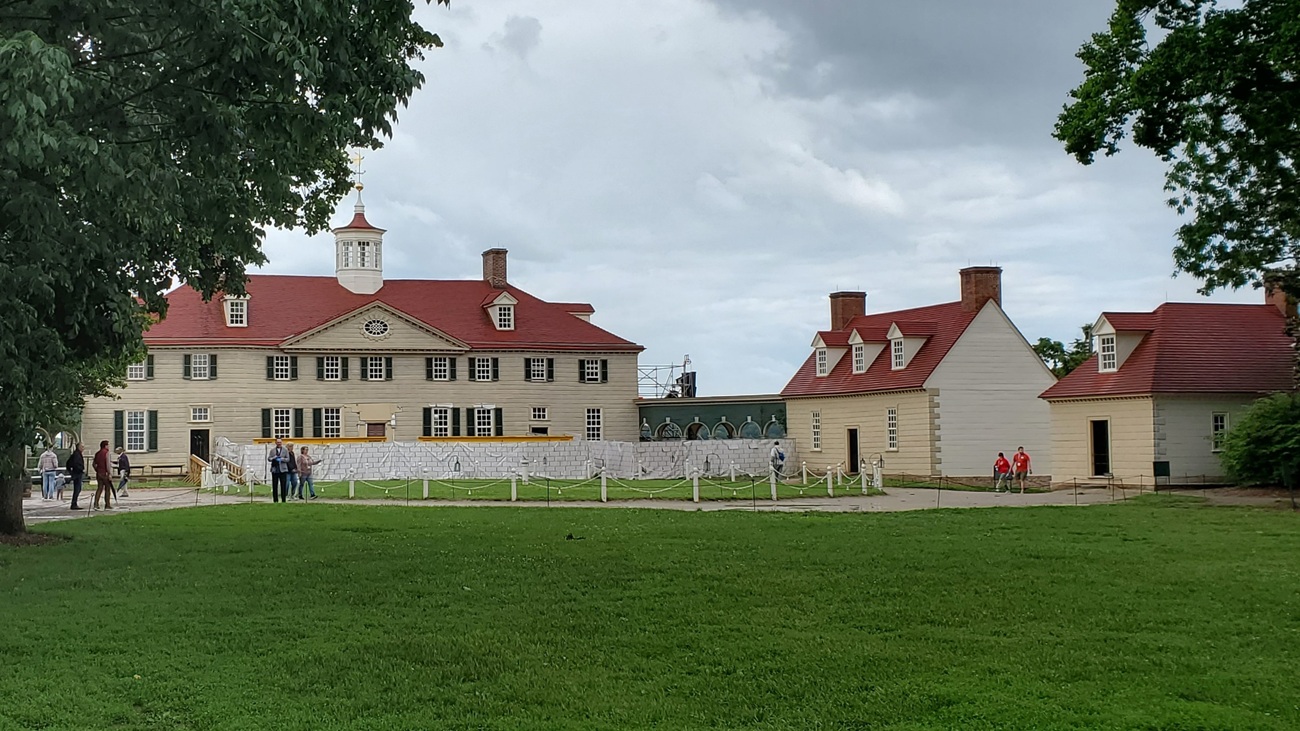
The estate was around 8,000 acres when George lived here. The land originally came into the family's possession under John Washing ton, the great-grandfather of George. Construction of the house began in 1734 and went through many incremental stages. It eventually reached 11,028 square feet with 21 rooms. It has had approximately 90 million visitors since opening to the public.
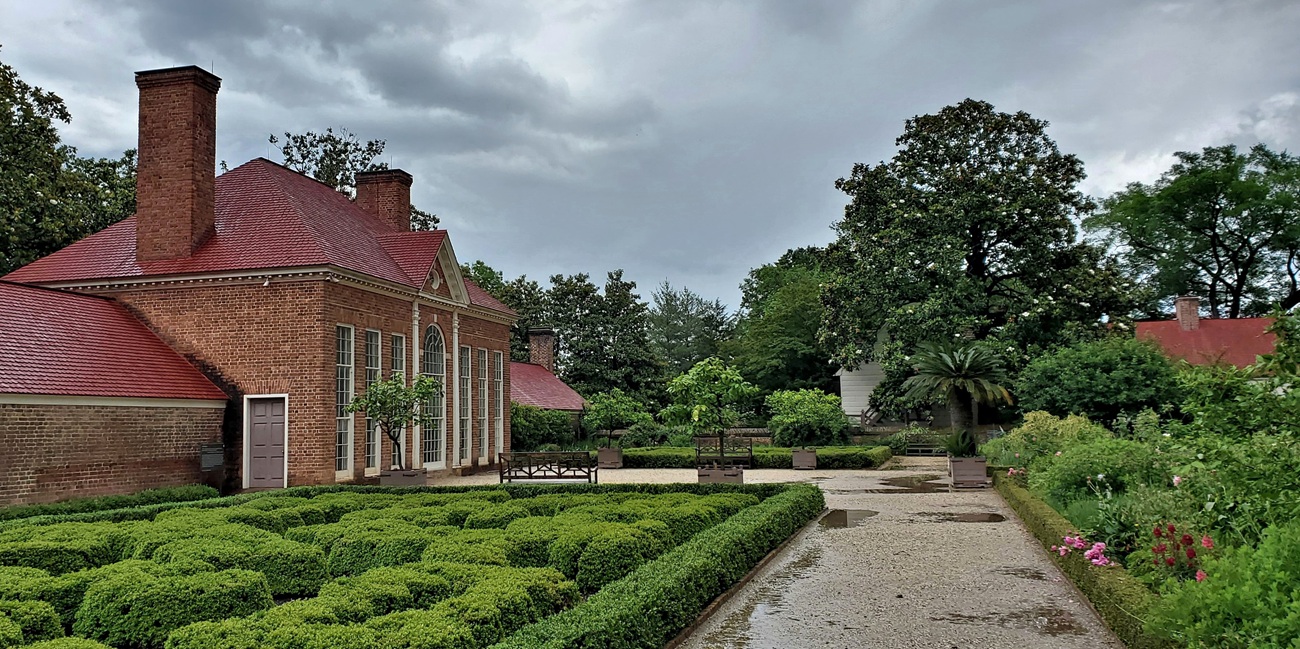
Upper Garden
 Main House
 Parlor

 Back Veranda
 The Potomac River
 The Kitchen

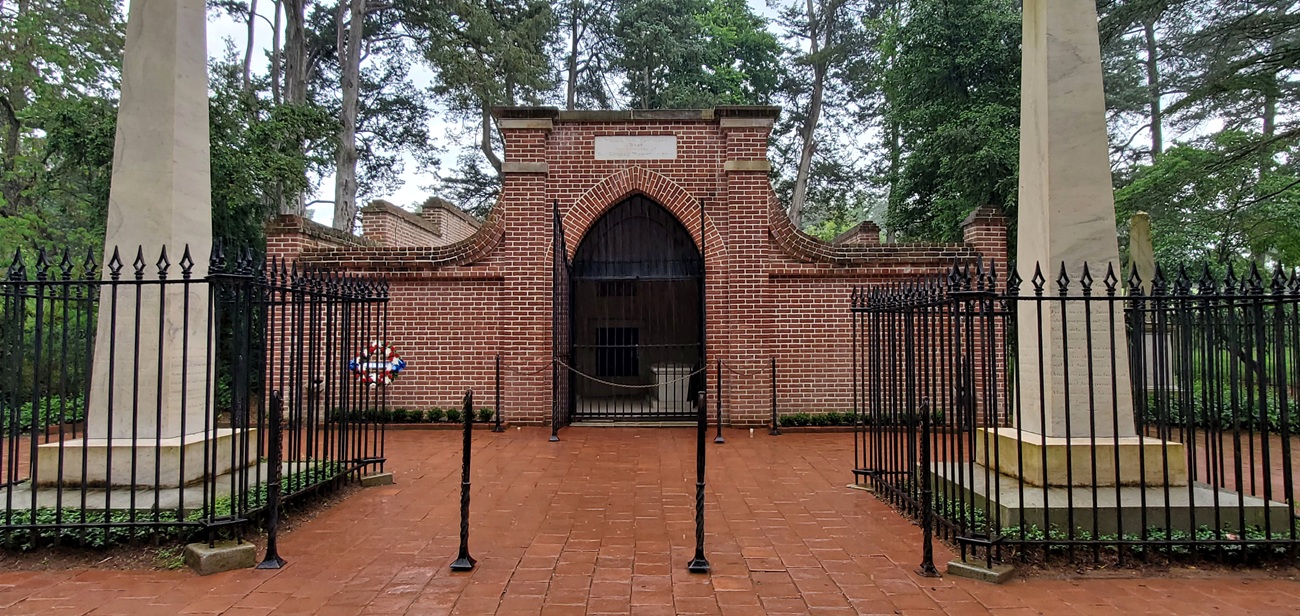
We tour the grounds and reach the Washington Family Crypt. Man, that's wild - visiting the graves of our 1st and 3rd presidents, from nearly 250 years ago, on the same day.
We drop back by the museum that is housed in a marvelous building.
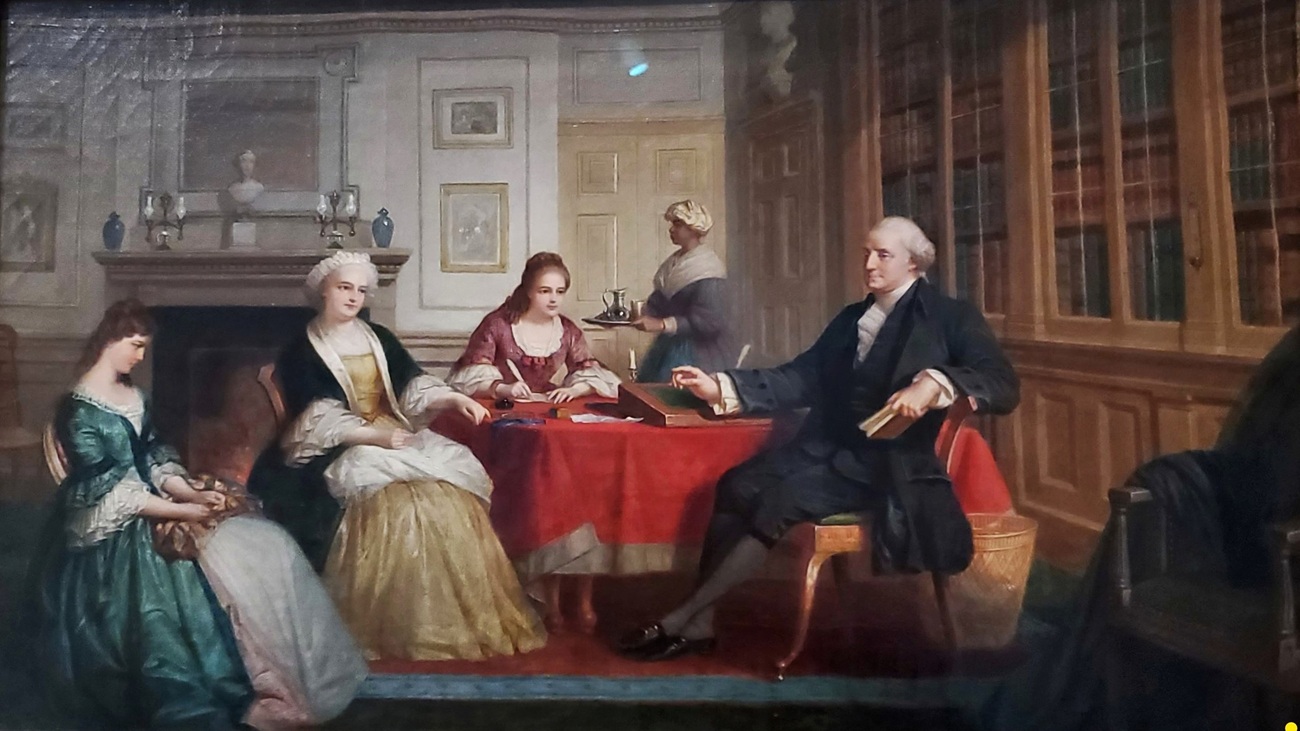
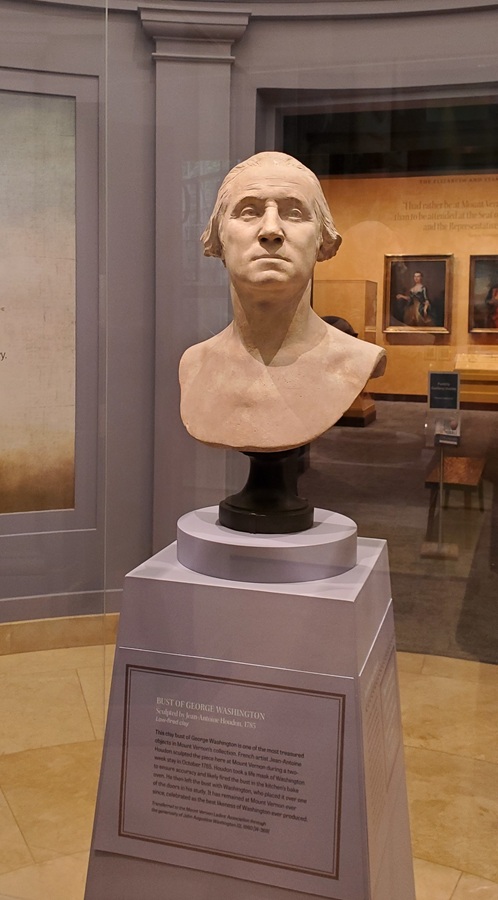 Family Time
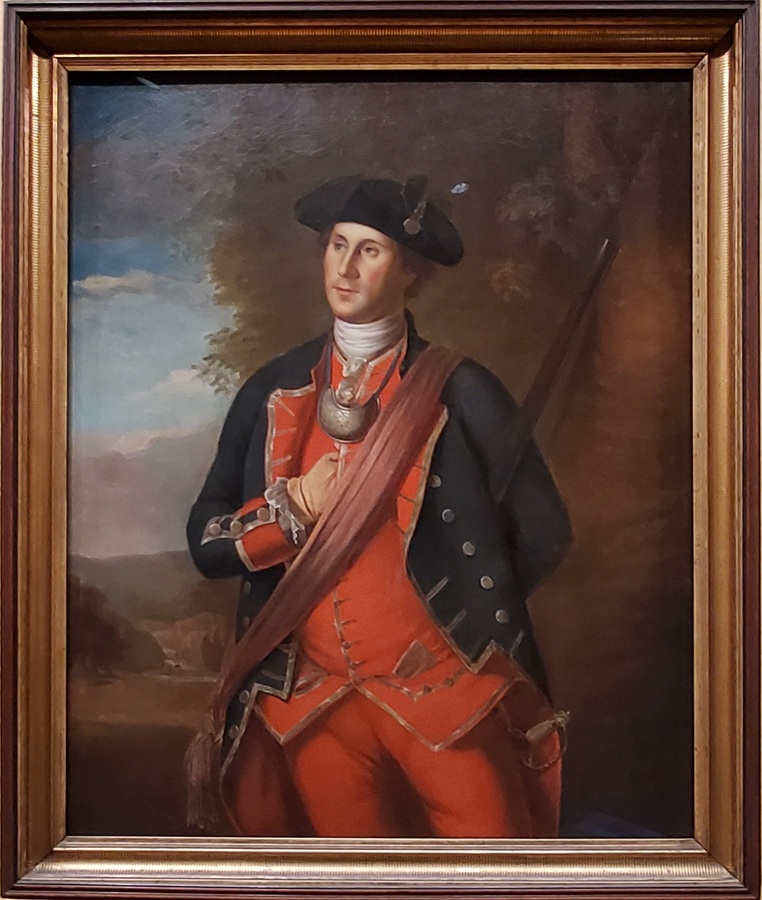
 George Washington 1732 - 1799
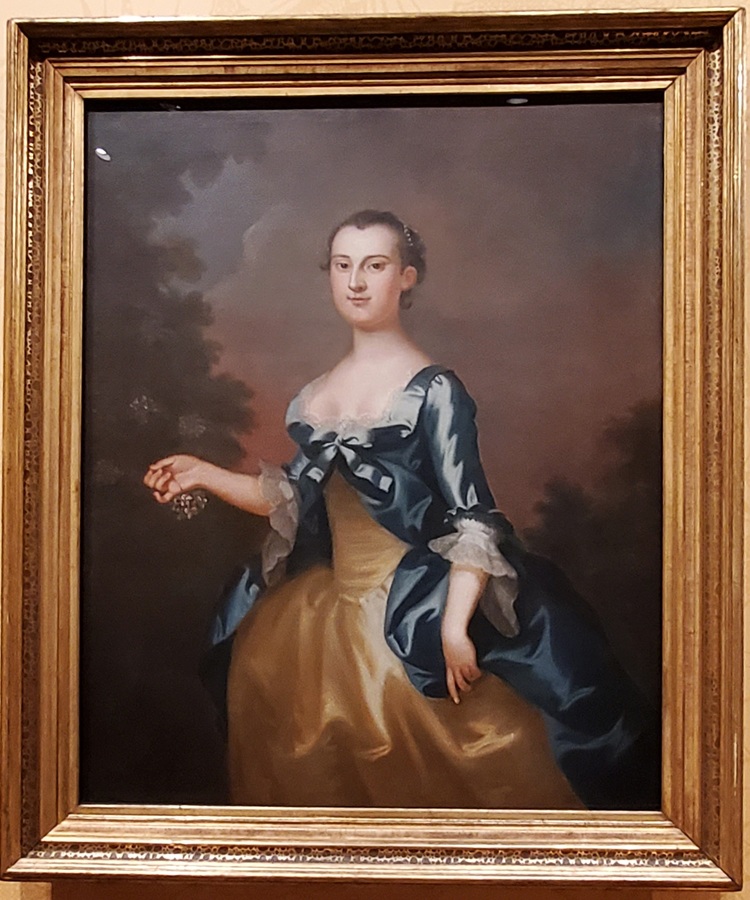
 Martha Washington 1731 - 1802
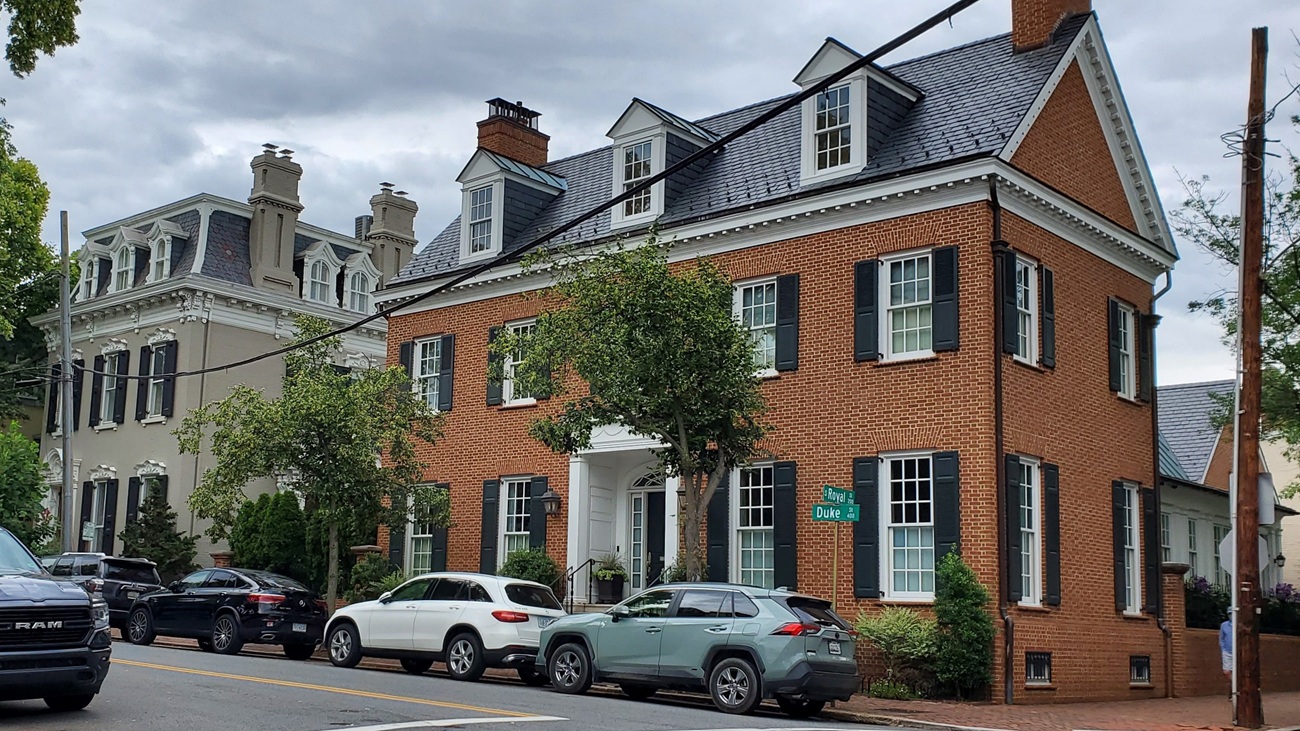
They kick us out at 5:00 (of course, the gift shop stays open) and we make our way north to Alexandria, VA - one of the main suburbs of DC - and drive through it's charming Old Town. It is known for it's brick sidewalks, stylish homes and well preserved 18th and 19th century buildings. It does not disappoint.
We reach the hotel in Washington DC about 45 minutes later, just about historied out. I park the car in a scary, dank parking structure next to the hotel for $59 a day - and it will not move for 3 days. We appreciated that the hotel had its own restaurant and called it a day.
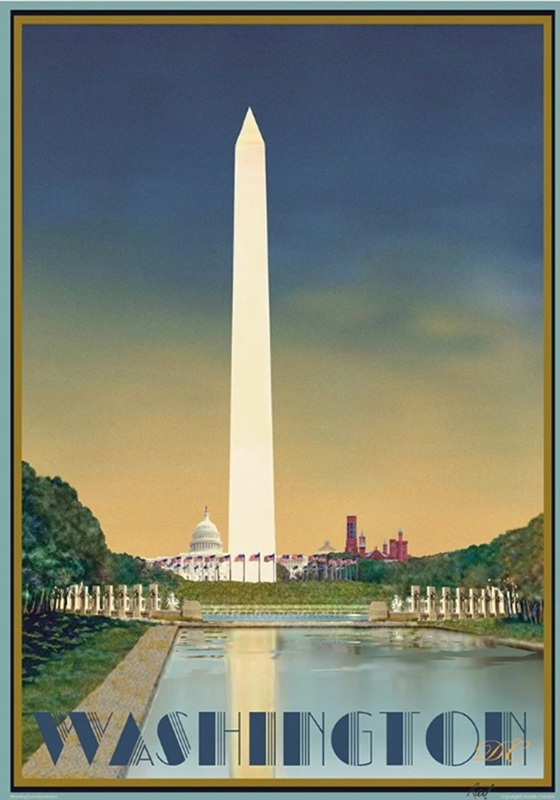 - - - Phase One complete: Drive across the country to the nation's capital - - -
Washington, DC
- - - Phase One complete: Drive across the country to the nation's capital - - -
Washington, DC
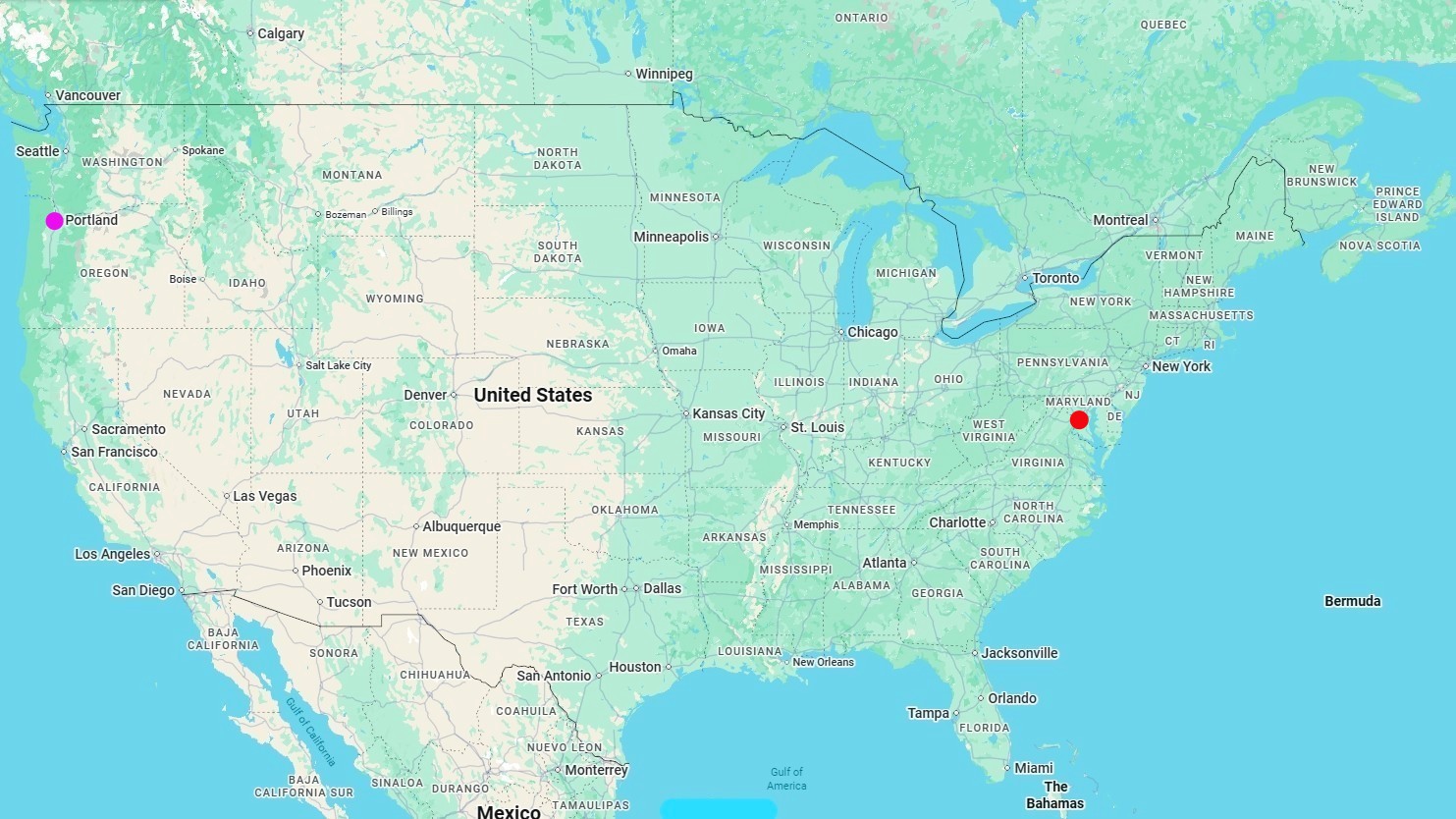 Total Miles: 3,812
Daily Avg: 381 Miles